Understanding Supreme Court Decisions: How They Impact Tribal Travel Rights


Introduction to Supreme Court Decisions
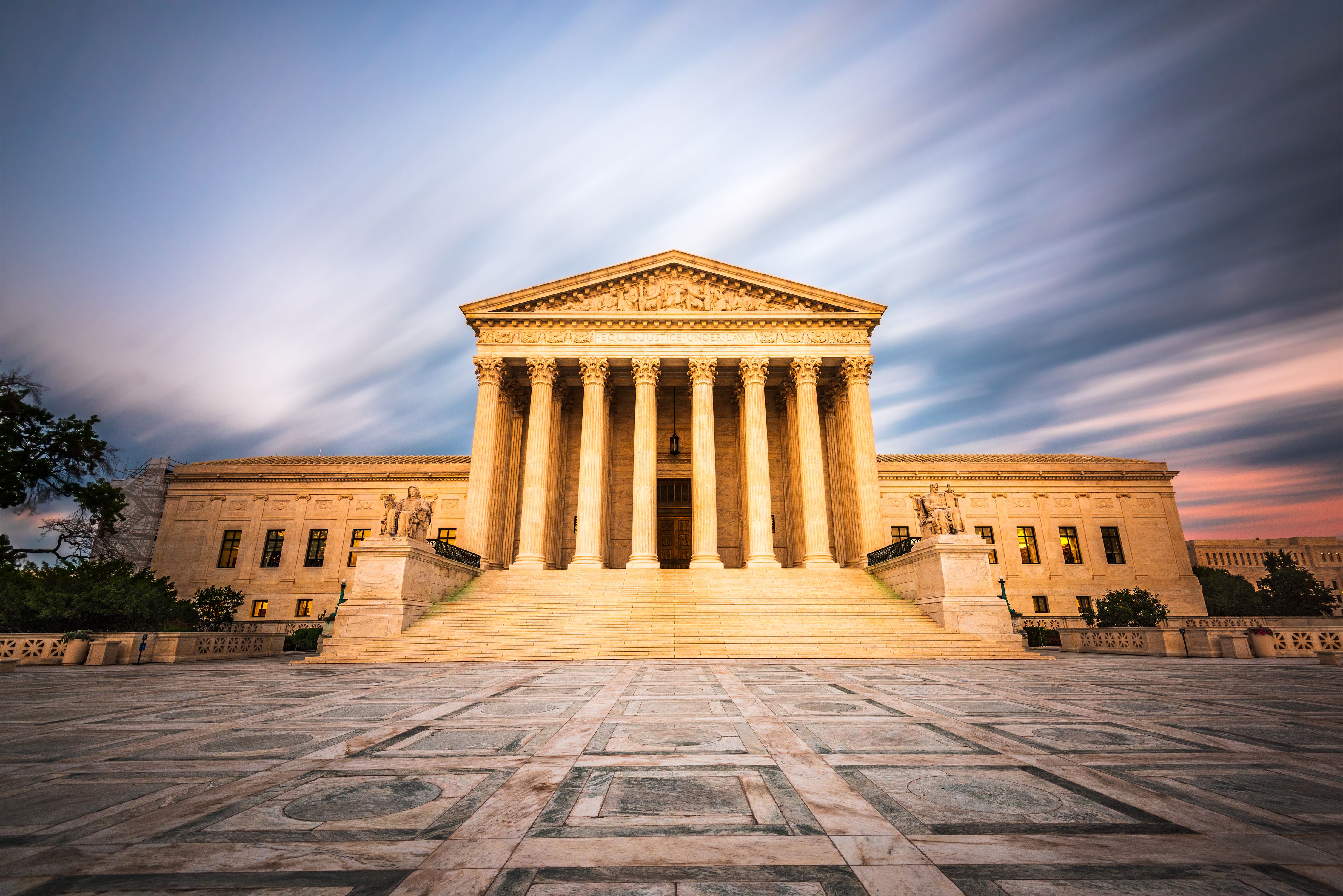
The United States Supreme Court plays a crucial role in interpreting the Constitution and shaping the legal landscape. Its decisions often have far-reaching implications, affecting various aspects of American life, including the rights of Native American tribes. One area of significant impact is tribal travel rights, which can be profoundly influenced by the Court's rulings.
Understanding these decisions is essential for grasping how they affect the autonomy and freedom of movement for Native American tribes. In this blog post, we'll explore the Supreme Court's influence on tribal travel rights and what it means for tribal communities.
The Historical Context of Tribal Travel Rights
Tribal travel rights have been a point of contention since the early days of the United States. Historically, treaties between the federal government and Native American tribes have shaped these rights. However, Supreme Court decisions have often redefined the boundaries of these agreements.
Over the years, the Court has been tasked with interpreting treaties and statutes that impact tribal sovereignty and travel. These interpretations can either strengthen or weaken the ability of tribes to move freely across their lands and beyond.
Key Cases and Their Impact
Several landmark cases have had a significant impact on tribal travel rights. One such case is Worcester v. Georgia, which established the principle that states do not have the authority to impose regulations on Native American land. This decision underscored the sovereignty of tribal nations and their rights to self-governance, including travel.

Another important case is McGirt v. Oklahoma, which reaffirmed the boundaries of Native American reservations and had implications for jurisdiction and travel rights. These decisions highlight the complex relationship between federal, state, and tribal laws.
Modern Challenges and Considerations
In today's world, tribal travel rights face new challenges. Issues such as environmental regulations, infrastructure development, and cross-border travel continue to pose obstacles. The Supreme Court's interpretations play a vital role in resolving these conflicts and ensuring that tribal rights are respected.
Recent decisions have addressed the growing concerns of tribal communities regarding infrastructure projects that may impede traditional travel routes. The Court's rulings can either facilitate or hinder tribal access to essential resources and sacred sites.

The Role of Advocacy and Legal Support
Advocacy and legal support are crucial for protecting tribal travel rights. Organizations dedicated to defending Native American rights often engage in legal battles to uphold the sovereignty and travel freedoms of tribes. Their efforts are instrumental in bringing attention to the importance of these rights and influencing Supreme Court decisions.
By working with legal experts and policymakers, tribes can ensure that their voices are heard in the judicial process. This collaboration is essential for maintaining and advancing tribal travel rights in the face of evolving legal landscapes.
Conclusion
Understanding Supreme Court decisions is key to grasping their impact on tribal travel rights. These rulings shape the autonomy of Native American tribes and their ability to navigate their ancestral lands. As legal landscapes continue to evolve, staying informed and engaged is crucial for preserving these fundamental rights.
By recognizing the significance of these decisions, we can better appreciate the ongoing journey toward justice and equality for Native American communities. Supporting advocacy efforts and respecting tribal sovereignty are essential steps in ensuring that these rights are upheld for future generations.