The Role of Tribal Advocacy in Protecting Native American Land Use


Understanding Tribal Advocacy
Tribal advocacy plays a crucial role in the protection and sustainable management of Native American lands. For centuries, Native American tribes have maintained a deep connection to their ancestral lands, which are integral to their cultural heritage and identity. Advocacy efforts by tribal leaders and communities are essential to safeguarding these lands from external threats and ensuring their traditional uses are respected.
Historically, Native American communities have faced numerous challenges, including land dispossession and environmental degradation. Today, tribal advocacy seeks to address these issues by asserting legal rights and engaging with governmental bodies to protect land use.
Legal Framework and Sovereignty
One of the foundations of tribal advocacy is the recognition of sovereignty. Native American tribes are considered sovereign nations, which grants them certain rights and responsibilities over their lands. This sovereignty is protected by treaties, federal laws, and court decisions that establish the legal framework for land use and resource management.
Tribal advocacy often involves navigating complex legal landscapes to uphold these rights. By leveraging their legal status, tribes can engage in negotiations and form partnerships with governmental and non-governmental organizations to enhance land protection efforts.

Environmental Stewardship
Native American tribes have long been stewards of their lands, employing traditional ecological knowledge to manage and preserve natural resources. Tribal advocacy emphasizes the importance of incorporating indigenous practices into modern environmental conservation strategies. This approach not only benefits the environment but also strengthens cultural traditions.
Collaborative initiatives between tribes and environmental organizations are increasingly common. These partnerships aim to protect biodiversity, restore habitats, and promote sustainable land use practices, aligning traditional wisdom with contemporary conservation techniques.

Challenges and Opportunities
Despite the progress made, tribal advocacy faces ongoing challenges. Resource extraction, infrastructure development, and climate change pose significant threats to Native American lands. Advocates must continually adapt their strategies to address these evolving issues.
However, opportunities also exist for tribes to enhance their advocacy efforts. Increasing public awareness and support for indigenous rights, coupled with advancements in technology, provide new tools for tribes to monitor and manage their lands effectively.
Community Engagement and Education
Community engagement is a key component of successful tribal advocacy. By educating both Native and non-Native communities about the significance of land protection, tribes can build broader support for their efforts. Educational programs and cultural exchanges help foster mutual understanding and respect.
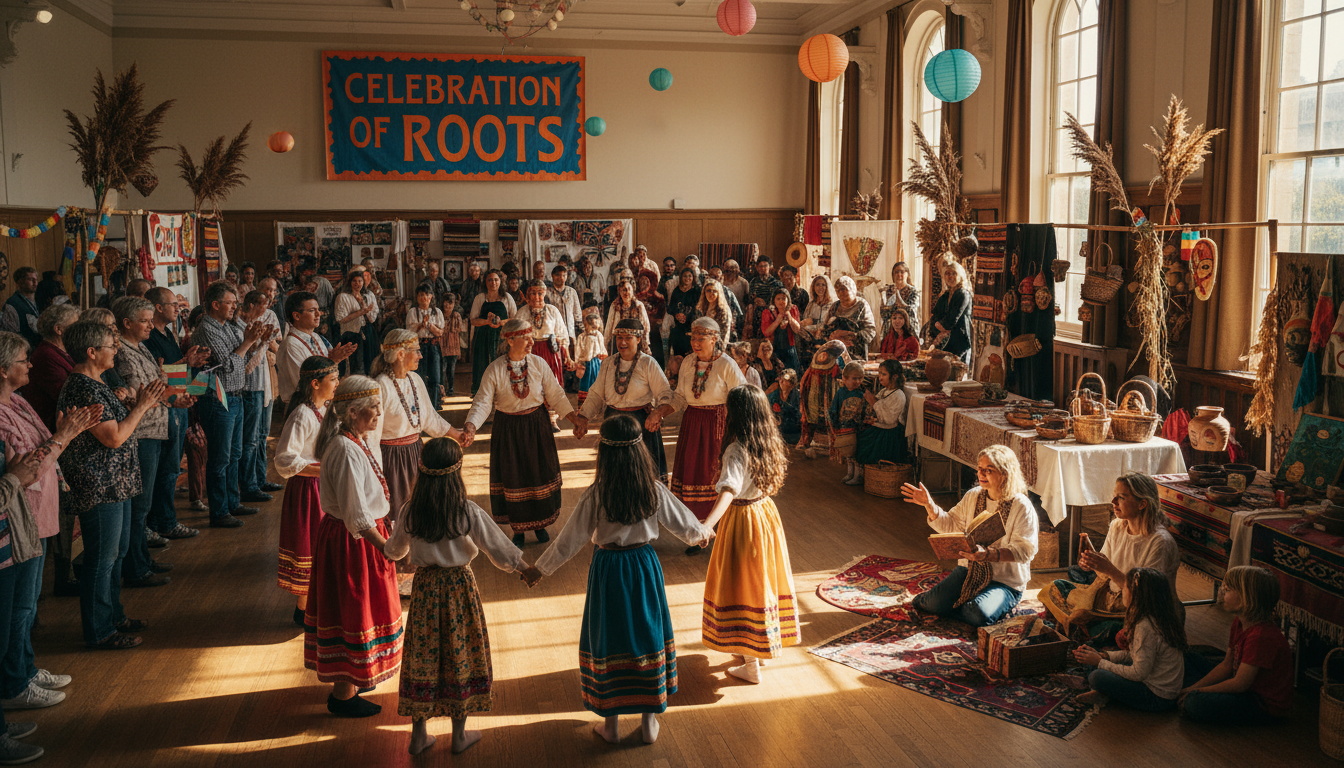
Through storytelling, art, and public events, tribes share their history and perspectives, highlighting the vital role that land plays in their cultural and spiritual lives.
The Future of Tribal Advocacy
The future of tribal advocacy in protecting Native American land use is promising but requires continued vigilance and innovation. Empowering younger generations to take on leadership roles ensures that advocacy efforts remain dynamic and responsive to new challenges.
As tribes continue to assert their rights and build alliances, the role of tribal advocacy will be instrumental in shaping policies and practices that honor and protect Native American lands for generations to come.