Supreme Court Insights: How Travel Rights Rulings Affect Native American Tribes


Understanding the Impact of Supreme Court Rulings on Travel Rights
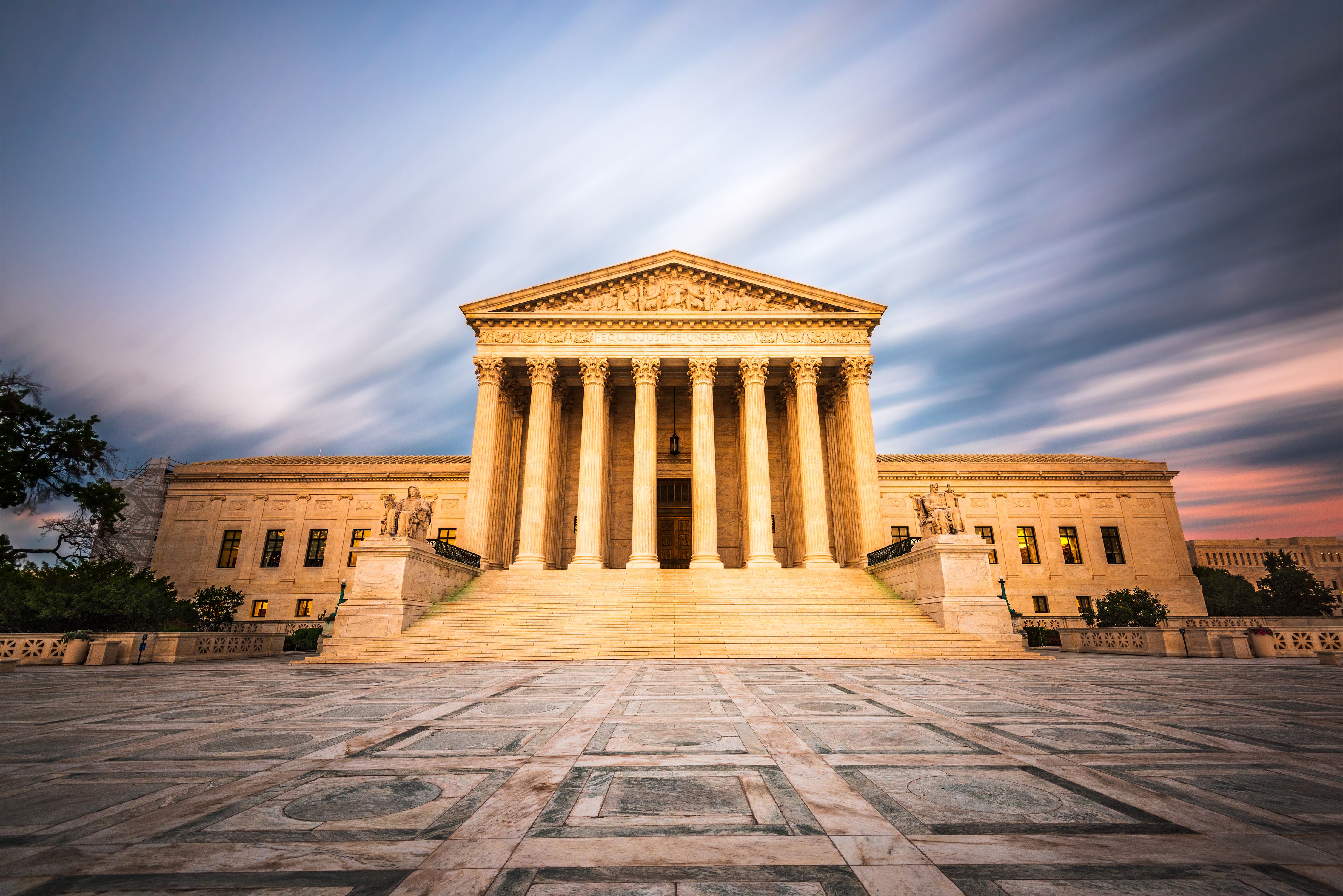
In recent years, the Supreme Court has made several rulings that significantly impact the travel rights of Native American tribes. These decisions have not only shaped how tribal members can move across state lines but also influenced broader aspects of tribal sovereignty and self-determination. Understanding these rulings is crucial for both tribal communities and those interested in indigenous rights.
The Historical Context of Travel Rights
The travel rights of Native American tribes are deeply rooted in treaties and agreements made with the U.S. government. Historically, these rights were designed to allow tribes to maintain their way of life, which often involved moving across vast territories. However, various legal challenges over the years have tested the strength and interpretation of these rights.
Supreme Court rulings have often served as a double-edged sword, offering both protections and restrictions. For instance, while some decisions have affirmed the right of tribes to regulate travel on their lands, others have imposed limitations, especially concerning state interests and regulations.
Key Supreme Court Cases
Several landmark cases have defined the current landscape of travel rights for Native American tribes. Among them, Worcester v. Georgia established that states could not impose regulations on Native lands without consent. More recently, McGirt v. Oklahoma reaffirmed tribal jurisdiction, affecting travel and law enforcement across several states.

These cases highlight the ongoing struggle between state powers and tribal sovereignty, with travel rights often caught in the crossfire. As these legal battles unfold, they continue to shape the everyday lives of tribal members, affecting everything from economic opportunities to cultural practices.
Implications for Tribal Sovereignty
The rulings have significant implications for tribal sovereignty. When the Supreme Court reinforces tribal jurisdiction, it empowers tribes to govern themselves more effectively, including overseeing who can travel across their lands. This sovereignty is critical for preserving cultural heritage and fostering economic development.
However, when rulings favor state control, tribes may face challenges in enforcing their laws and protecting their resources. This dynamic underscores the delicate balance between federal, state, and tribal authorities, with travel rights often serving as a key battleground.

Looking Ahead: The Future of Travel Rights
The future of travel rights for Native American tribes is uncertain but promising. Advocacy and legal efforts continue to push for more robust recognition of tribal sovereignty. As public awareness and support grow, there is hope that future Supreme Court rulings will further empower tribes.
For tribal communities, maintaining a strong voice in these legal discussions is crucial. Engaging with lawmakers, educating the public, and building alliances with other indigenous and non-indigenous groups can help safeguard travel rights and broader tribal interests.
Conclusion: The Path Forward
Supreme Court rulings on travel rights are more than legal decisions; they are statements about the relationship between Native American tribes and the broader United States. By understanding these rulings, we can better appreciate the complexities of tribal sovereignty and the ongoing efforts to protect it.
As these legal landscapes continue to evolve, the commitment to justice and equity for Native American tribes remains a critical aspect of ensuring their rights and freedoms are respected and upheld.