Supreme Court Decisions and Their Impact on Native American Travel Rights


Understanding Supreme Court Decisions
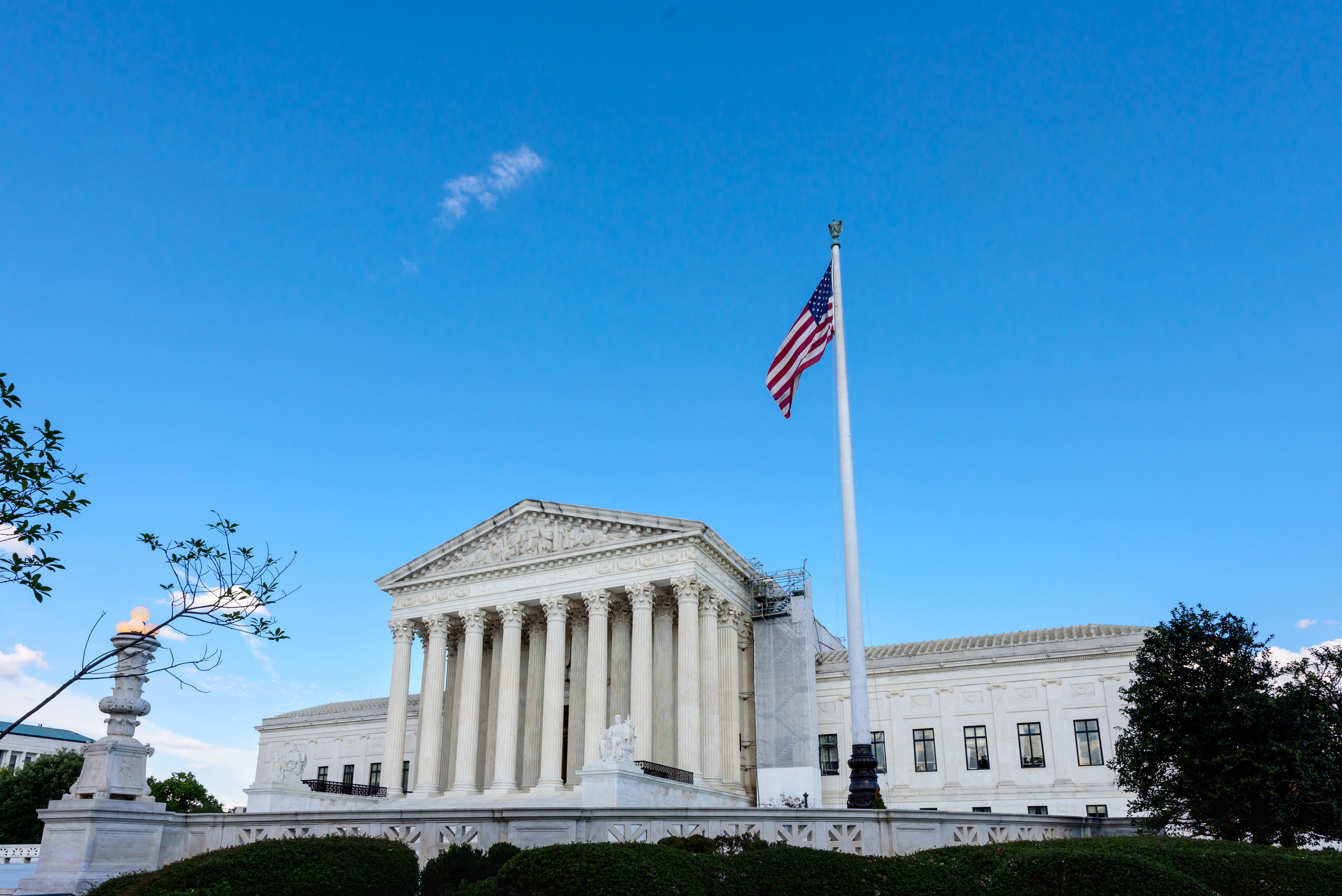
The Supreme Court of the United States has played a pivotal role in shaping the legal landscape concerning Native American rights. Among these are decisions that have directly impacted travel rights, affecting the daily lives of Indigenous communities. These rulings have addressed issues ranging from land access to the recognition of tribal sovereignty.
Historical Context of Native American Travel Rights
Historically, Native American tribes enjoyed unrestricted movement across their ancestral lands. However, with the advent of European colonization and subsequent U.S. policies, these rights were severely curtailed. Treaties and legislation often failed to protect Indigenous mobility adequately, leading to disputes that eventually reached the Supreme Court.
The complexity of these issues is rooted in the balance between federal authority and tribal sovereignty. Over the years, the Supreme Court has been tasked with interpreting treaties and laws that either support or restrict Native American travel rights.
Key Supreme Court Rulings
Several landmark Supreme Court decisions have directly influenced Native American travel rights. These rulings often involve intricate legal principles and historical treaties. Here are some notable cases:
- Worcester v. Georgia (1832): This case affirmed that states did not have the right to impose regulations on Native American land, recognizing tribal sovereignty.
- Oliphant v. Suquamish Indian Tribe (1978): The court ruled that tribal courts do not have jurisdiction over non-Natives, impacting how tribes manage travel and law enforcement.
- McGirt v. Oklahoma (2020): A significant decision that upheld treaty rights, affirming that much of eastern Oklahoma remains Native territory.

Impact on Modern Travel Rights
These rulings have varying implications for Native American travel rights. In some instances, they bolster the ability of tribes to self-regulate and manage travel within their territories. However, other decisions have imposed limitations, especially concerning jurisdictional complexities involving non-Native individuals.
Modern travel rights are also influenced by federal and state collaboration with tribal governments. These partnerships are crucial in addressing infrastructure, law enforcement, and cross-jurisdictional travel issues.
Challenges and Opportunities
Despite legal advancements, challenges remain. Jurisdictional conflicts often arise, particularly in areas where tribal lands are interspersed with state territories. Moreover, the enforcement of travel rights is sometimes hampered by limited resources and political will.

On the flip side, there are opportunities for positive change. Increasing awareness and advocacy are driving policy reforms and fostering better government-to-government relations. These efforts aim to enhance the autonomy of Native American tribes and improve travel rights.
The Road Ahead
Looking forward, the interplay between Supreme Court decisions and Native American travel rights will continue to evolve. Future cases may further define the extent of tribal sovereignty and mobility rights, potentially setting new precedents.
Engagement with Indigenous leaders and communities is essential for crafting policies that respect and uphold Native American rights. As legal landscapes shift, the importance of collaboration and mutual understanding cannot be overstated.