Protecting Tribal Lands: Environmental Consulting Strategies


Understanding the Importance of Tribal Lands
Tribal lands are not just geographical locations; they are the heart of cultural heritage and identity for many Indigenous communities. These areas hold historical significance and provide resources that are vital for the livelihood of tribes. Protecting these lands from environmental threats is crucial for preserving both the environment and the cultural legacy of Indigenous peoples.
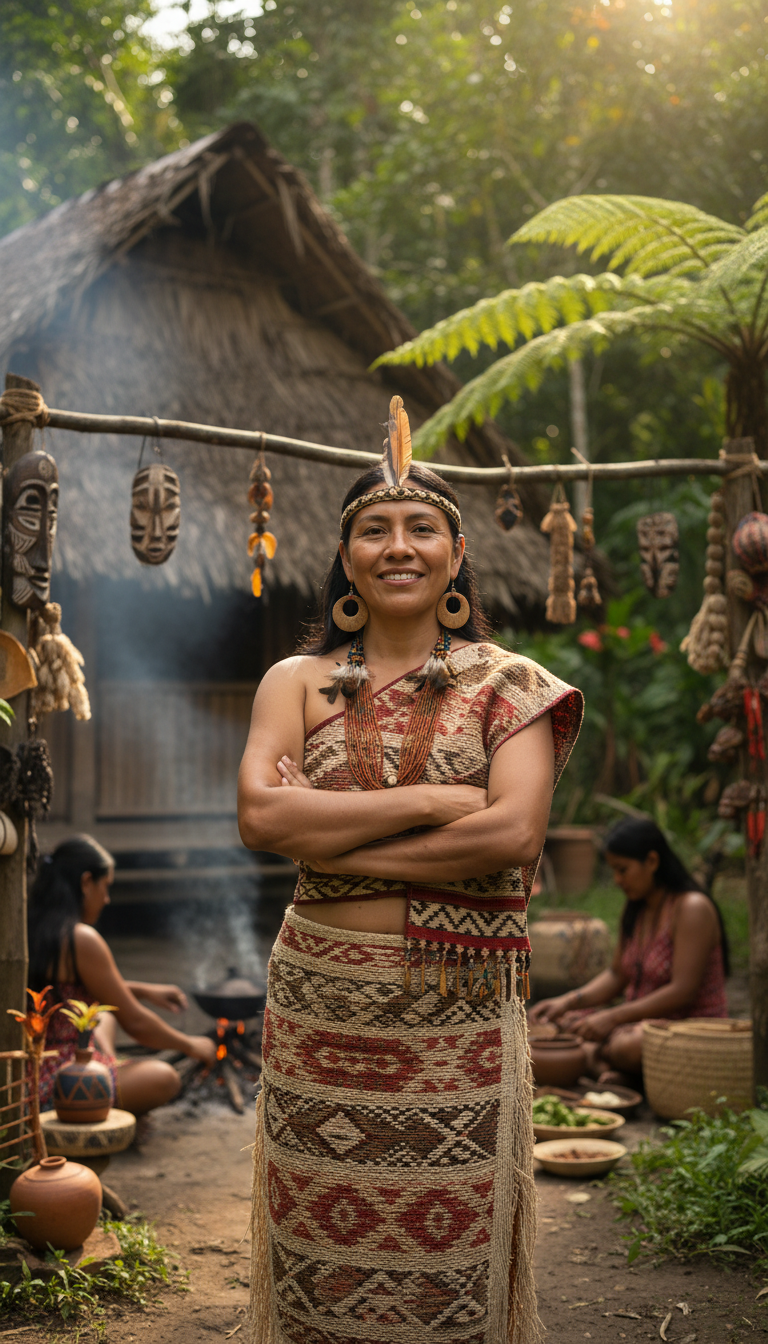
Environmental consulting plays a vital role in safeguarding these areas. By leveraging specialized strategies, consultants can help mitigate environmental risks and promote sustainable development, ensuring that tribal lands remain protected for future generations.
Key Environmental Challenges
Tribal lands face numerous environmental challenges, such as pollution, deforestation, and climate change. These issues not only threaten the ecosystems but also impact the health and well-being of Indigenous communities. Addressing these challenges requires a comprehensive understanding of the unique environmental and cultural dynamics at play.
Consultants must consider factors like biodiversity, water resources, and soil health to create effective protection strategies. By doing so, they can help preserve the natural beauty and ecological balance of tribal lands.
Strategies for Environmental Consulting
Effective environmental consulting strategies can be broken down into several key components:
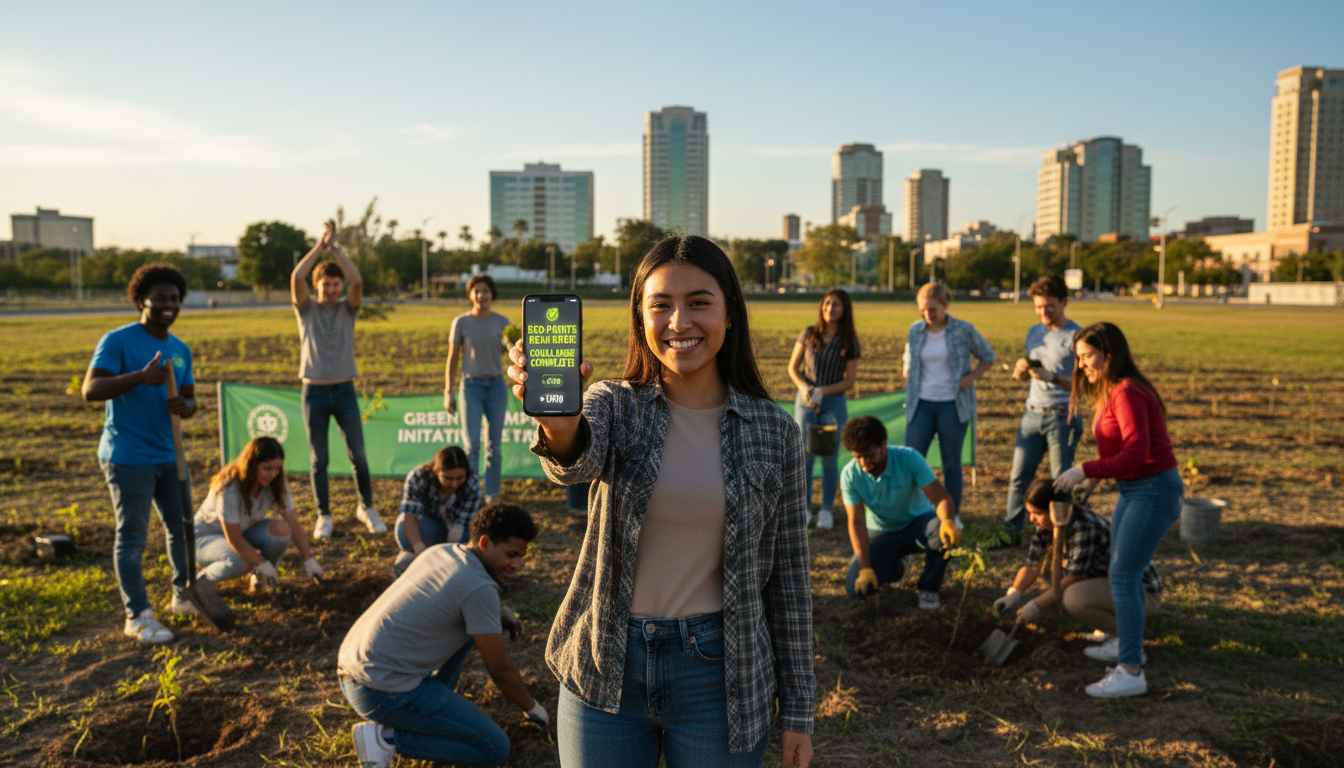
- Community Engagement: Involving tribal communities in decision-making processes ensures that their voices are heard and respected.
- Cultural Sensitivity: Understanding the cultural significance of the land helps in crafting strategies that are respectful and effective.
- Scientific Analysis: Utilizing cutting-edge technology and research to assess environmental conditions and risks.
Implementing Sustainable Practices
Sustainability is at the core of protecting tribal lands. By promoting practices like renewable energy, sustainable agriculture, and conservation efforts, consultants can help reduce the environmental footprint on these lands. This not only preserves natural resources but also supports the economic development of Indigenous communities.
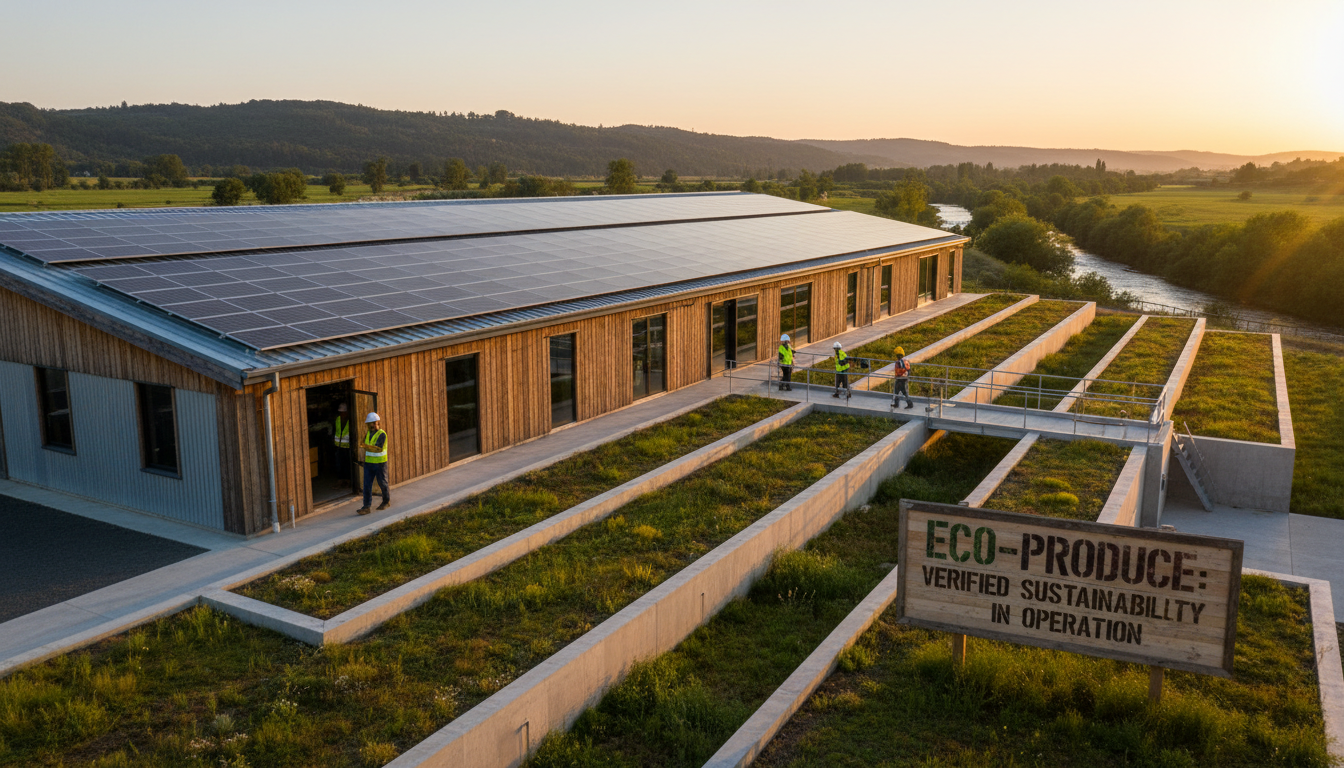
Collaboration with tribal leaders and members is essential to ensure that sustainable practices align with traditional knowledge and customs. This approach fosters a sense of ownership and commitment to environmental stewardship.
Regulatory and Legal Considerations
Working within the legal frameworks that govern tribal lands is crucial for successful environmental consulting. Consultants must be familiar with federal, state, and tribal regulations to ensure compliance and proper implementation of environmental strategies. This includes understanding treaties, rights, and laws that specifically pertain to Indigenous lands.
By navigating these legal landscapes effectively, consultants can protect tribal sovereignty and promote fair and equitable environmental policies.
The Role of Technology and Innovation
Technology and innovation are powerful tools in environmental consulting. From GIS mapping to remote sensing, these technologies provide valuable insights into the environmental conditions of tribal lands. This data-driven approach allows for precise monitoring and effective decision-making.

Innovative solutions, such as carbon offset projects and eco-friendly infrastructure, can further enhance the protection of tribal lands, ensuring that they remain resilient against future environmental challenges.
Conclusion: A Path Forward
Protecting tribal lands requires a multifaceted approach that combines community engagement, scientific analysis, and cultural sensitivity. Environmental consultants play a pivotal role in crafting strategies that preserve the natural and cultural heritage of these areas.
By prioritizing sustainability, respecting legal frameworks, and embracing technological advancements, we can ensure that tribal lands are protected for generations to come. This collaborative effort is essential for fostering resilience and prosperity within Indigenous communities.