Protecting Tribal Land: Legal Insights and Environmental Considerations


Protecting tribal land is a multifaceted issue that involves legal, environmental, and cultural considerations. These lands are not only home to diverse ecosystems but also hold immense cultural significance for indigenous communities. Understanding the complexities of land protection is crucial for anyone involved in this important area.
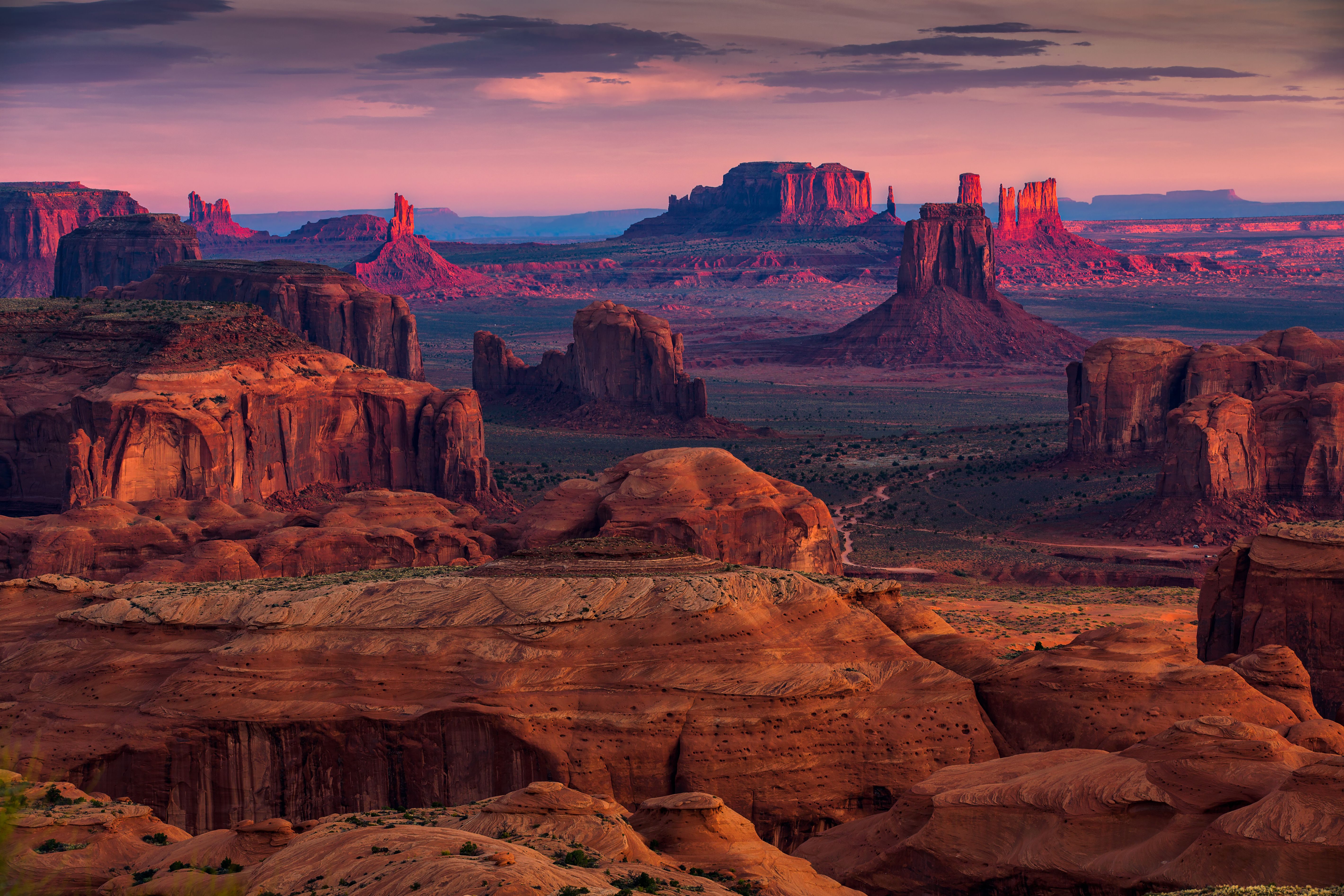
Legal Frameworks for Tribal Land Protection
The legal landscape surrounding tribal land is both intricate and diverse. Various laws and treaties have been established to protect these lands, recognizing the sovereignty of indigenous tribes. Key legislation, such as the Indian Reorganization Act and the Native American Graves Protection and Repatriation Act, plays a crucial role in maintaining tribal land rights.
Tribal sovereignty is a cornerstone of legal protection, allowing tribes to govern themselves and make decisions regarding land use. This sovereignty is recognized by federal laws and is essential for preserving the cultural and historical integrity of tribal lands.
Challenges in Legal Protections
Despite established laws, challenges remain. Legal disputes often arise over land ownership and resource extraction, with external parties seeking access to natural resources. Tribes must navigate complex legal systems to defend their rights, often requiring significant resources and expertise.

Environmental Considerations
Tribal lands are some of the most ecologically rich areas in the world. They host a variety of ecosystems, from forests and rivers to deserts and wetlands. Protecting these environments is vital not only for biodiversity but also for the traditional lifestyles of many indigenous communities.
Environmental stewardship is deeply embedded in indigenous cultures. Tribes have long practiced sustainable land management, drawing on generations of knowledge to maintain ecological balance. This stewardship is crucial in the face of modern environmental challenges, such as climate change and pollution.
Collaborative Conservation Efforts
Collaborative efforts between tribes and environmental organizations are proving effective in safeguarding tribal lands. These partnerships often involve shared goals such as conservation, habitat restoration, and sustainable development. By combining traditional knowledge with modern science, these initiatives can lead to more effective and sustainable outcomes.

The Cultural Significance of Tribal Lands
Beyond legal and environmental aspects, tribal lands are deeply rooted in cultural and spiritual traditions. They are places where ceremonies are held, stories are passed down, and identities are forged. Protecting these lands is, therefore, about preserving a way of life.
Preserving cultural heritage involves protecting sacred sites, artifacts, and landscapes. Efforts to maintain these cultural connections are vital for the identity and continuity of indigenous communities.
Future Directions
Looking ahead, the future of tribal land protection will likely involve increased collaboration and innovative approaches. Embracing technology, fostering partnerships with government agencies, and enhancing legal frameworks are just a few ways to ensure that these lands remain protected for future generations.

In conclusion, protecting tribal lands is a complex but essential endeavor that requires a holistic approach. By understanding the legal, environmental, and cultural dimensions, we can work towards a future where these vital lands are preserved and respected.