Preparing for a Tribal Land Use Case: Expert Tips and Strategies


Understanding Tribal Land Use Cases
Tribal land use cases involve unique legal, cultural, and historical considerations that require specialized knowledge and sensitivity. These cases often revolve around issues of sovereignty, land rights, and environmental stewardship. Preparing for such cases demands a comprehensive understanding of the tribal legal framework and the specific context of the land in question.

Researching Tribal Laws and Regulations
Before diving into a tribal land use case, it is crucial to research applicable tribal laws and regulations. Each tribe may have its own set of rules governing land use, which can differ significantly from federal or state laws. Collaborating with tribal legal experts can provide invaluable insights and ensure compliance with all relevant statutes.
Moreover, understanding the historical background of the tribe and its treaties with the federal government can offer important context for the case. This knowledge helps in forming strategies that respect tribal sovereignty and cultural heritage.
Building Relationships with Tribal Leaders
Establishing trust and open communication with tribal leaders is essential. These relationships can facilitate smoother negotiations and collaborations throughout the case. Demonstrating respect for tribal customs and traditions can foster goodwill and mutual understanding.

Engaging with Tribal Communities
Engaging with the broader tribal community can also be beneficial. Holding informational sessions or community meetings allows for transparency and provides an opportunity for tribal members to voice their concerns and suggestions. This engagement can lead to more informed and culturally sensitive decision-making.
Furthermore, involving community members in the planning process can enhance the legitimacy and acceptance of the proposed land use plans. This collaborative approach underscores the importance of inclusivity in tribal land use cases.
Developing a Comprehensive Strategy
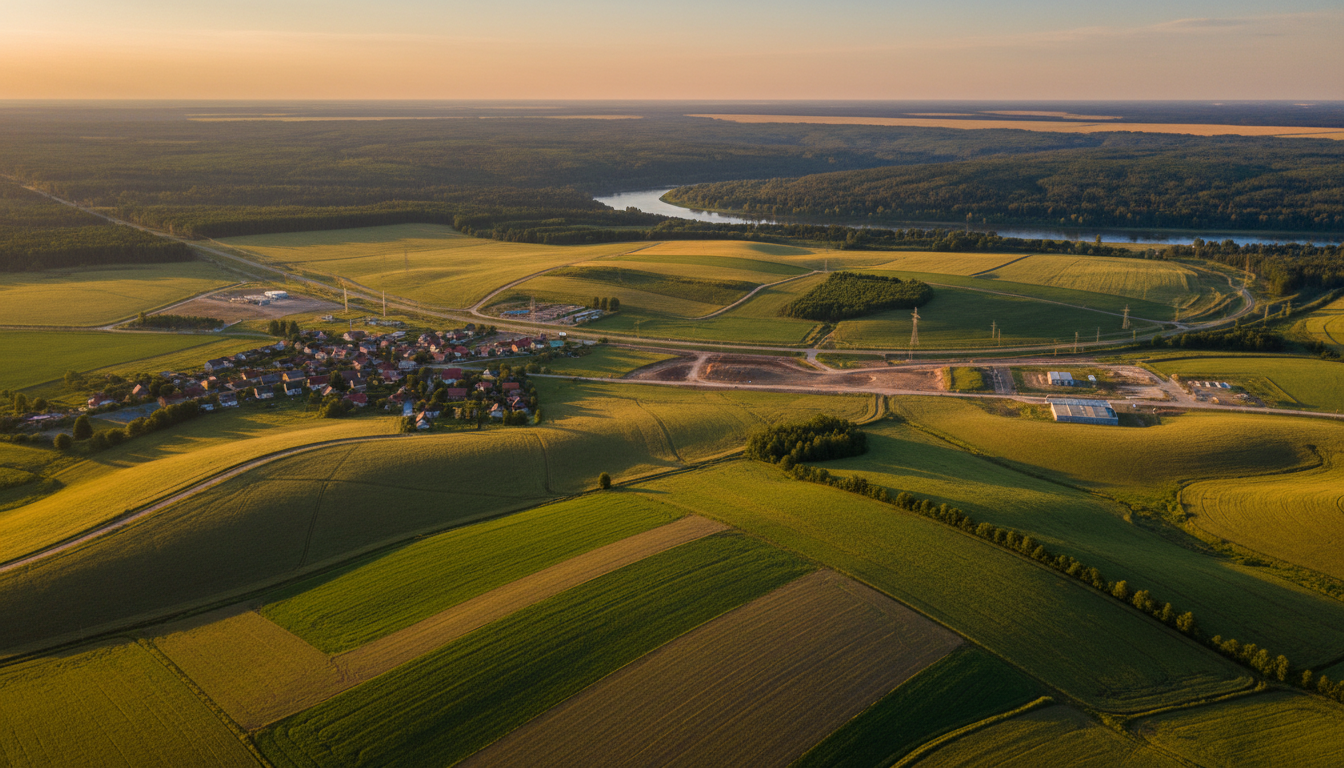
When preparing for a tribal land use case, developing a comprehensive strategy is key. This strategy should encompass legal, environmental, and cultural considerations. Consulting with environmental experts can ensure that proposed land use plans align with ecological preservation goals.
Legal and Environmental Considerations
Incorporating both legal and environmental factors into the strategy can prevent potential conflicts and support sustainable development. Legal considerations might include navigating jurisdictional challenges and understanding the implications of federal laws on tribal lands.
Environmental assessments play a pivotal role in identifying potential impacts and mitigation measures. These assessments help in crafting plans that respect both the land and the people who have stewarded it for generations.
Conclusion: Emphasizing Respect and Collaboration
Successfully preparing for a tribal land use case requires a multifaceted approach that balances legal, cultural, and environmental factors. By respecting tribal sovereignty and engaging collaboratively with tribal communities, stakeholders can navigate these complex cases more effectively.
Ultimately, the goal is to achieve outcomes that honor tribal traditions while promoting sustainable and equitable land use. Through careful planning and respectful collaboration, these objectives can be realized for the benefit of all parties involved.