Navigating Legal Challenges: Tribal Land Use and Supreme Court Decisions


Understanding Tribal Land Use
Tribal lands in the United States hold a unique and significant place within the legal landscape. These lands are governed by a mix of federal, state, and tribal laws, creating a complex legal framework. The sovereignty of Native American tribes is recognized, allowing them to govern their land and people. However, this sovereignty often intersects with federal and state regulations, leading to a variety of legal challenges.

One of the primary legal issues surrounding tribal land use involves jurisdiction. Tribes have the authority to create and enforce their laws within their territories. Yet, conflicts can arise when state laws attempt to exert influence, especially concerning land use, zoning, and environmental regulations.
The Role of the Supreme Court
The U.S. Supreme Court has played a pivotal role in interpreting the legal boundaries of tribal land use. Over the years, several key decisions have shaped the current landscape. These rulings have addressed issues ranging from taxation and land rights to jurisdictional authority and resource management.
Supreme Court decisions often have long-lasting implications for tribes. For example, rulings that affect water rights or mineral extraction can significantly impact tribal economies and development opportunities. Understanding these decisions is crucial for tribes as they navigate their rights and responsibilities.
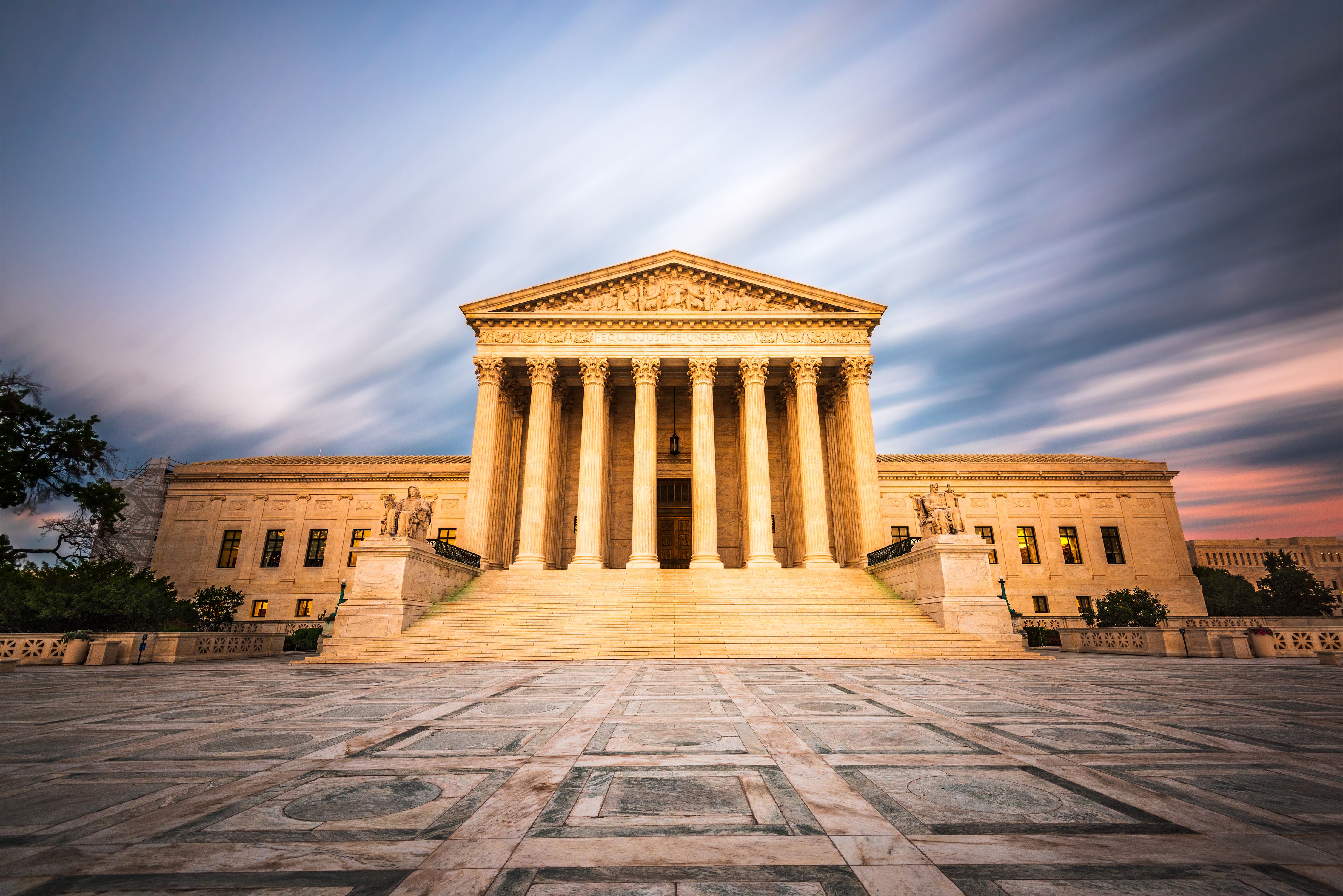
Key Supreme Court Decisions
Several landmark Supreme Court cases have defined the legal context of tribal land use. One such case is McGirt v. Oklahoma, where the Court upheld the reservation status of eastern Oklahoma, reaffirming tribal jurisdiction over criminal matters. This decision has broader implications for civil jurisdiction and resource management.
Another important case is Carcieri v. Salazar, which limited the federal government's ability to take lands into trust for tribes recognized after 1934. This ruling has affected tribal efforts to restore lands and expand their economic base.
Challenges and Opportunities
While these decisions provide clarity, they also present challenges. Tribes must navigate a patchwork of regulations and legal precedents, which can complicate land management and economic development. However, these challenges also present opportunities for tribes to assert their sovereignty and engage in innovative land use practices.

Many tribes are leveraging these opportunities by developing sustainable practices and pursuing partnerships with federal and state agencies. These collaborations can enhance resource management and promote economic growth, benefiting both tribal and non-tribal communities.
Future Considerations
As legal challenges continue to evolve, tribes must remain vigilant. Engaging in proactive legal strategies and fostering strong relationships with government entities can help ensure that tribal interests are respected and upheld. The future of tribal land use will likely involve a delicate balance of tradition and modernity, with tribes leading the way in sustainable development.
Ultimately, navigating the legal challenges of tribal land use requires a deep understanding of both historical contexts and contemporary legal frameworks. By staying informed and actively participating in legal processes, tribes can protect their lands and preserve their cultural heritage for future generations.