Myth-Busting: Common Misconceptions About Tribal Land Use and Travel Rights


Understanding Tribal Land Use
Tribal lands are often misunderstood, leading to numerous myths about their use and access rights. It's crucial to dispel these misconceptions to promote respect and understanding. Tribal lands are sovereign territories, which means they operate under their own set of laws and governance. This sovereignty often leads to confusion among non-Native individuals about what is permissible on these lands.
One common myth is that tribal lands are open to the public in the same way as national parks. In reality, tribal lands are private, and access is granted based on the tribe's discretion. Non-Native visitors must often obtain permission or permits to enter or use these lands. Understanding these nuances helps foster respectful interactions.

Travel Rights and Permissions
Another misconception is that travel rights on tribal lands are the same as on public lands. Tribal governments have the authority to regulate travel on their lands, which can include restrictions on where visitors can go, what activities they can engage in, and who can accompany them. These regulations are in place to protect cultural sites and natural resources.
Visitors should always check in with the relevant tribal authorities before planning a trip to ensure they comply with local rules and regulations. This not only respects the tribal sovereignty but also ensures the safety of the visitors.
Respecting Cultural Significance
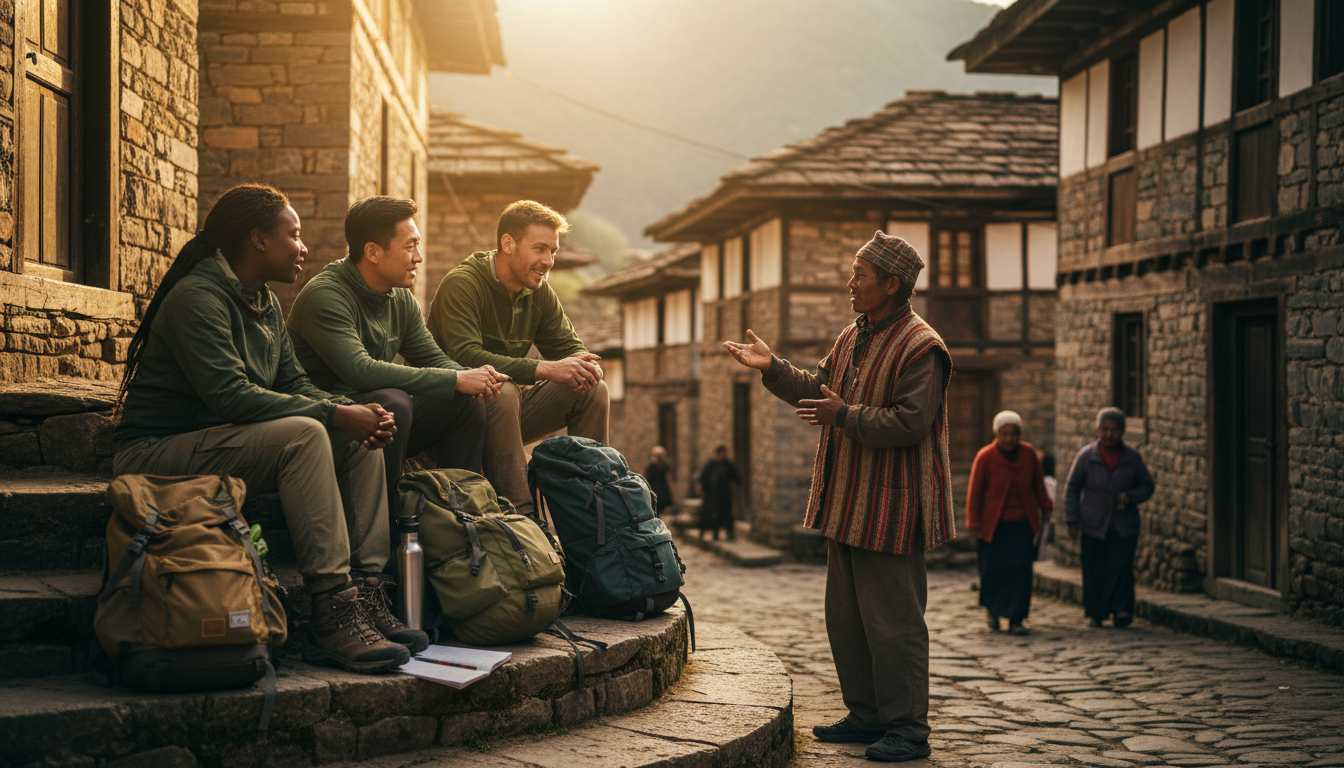
Many people mistakenly believe that tribal lands are primarily for recreational use. However, these lands hold significant cultural, historical, and spiritual importance to the tribes. Activities that may seem harmless, such as hiking or camping, can inadvertently disrupt sacred sites or traditional practices.
It is essential to acknowledge and respect the cultural significance of these areas. Engaging with tribal communities and learning about their traditions can enrich the experience and foster mutual respect and understanding.
Economic Contributions and Misunderstandings
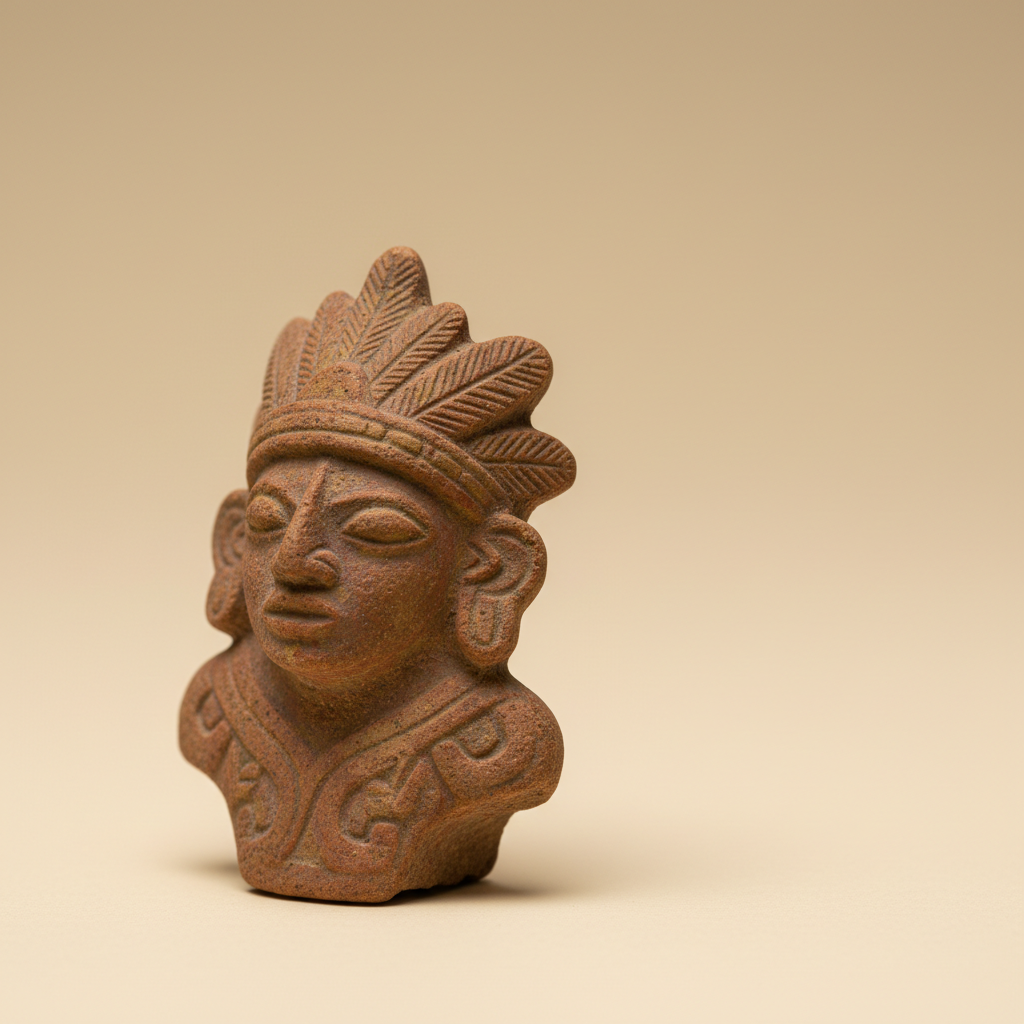
There's a common stereotype that tribal lands are economically disadvantaged and depend solely on external aid. While some tribes face economic challenges, many have developed thriving enterprises, including casinos, tourism, and agriculture, contributing significantly to their communities and surrounding areas.
The economic activities on tribal lands are diverse and complex. Acknowledging and supporting these endeavors can help dispel myths and promote a more accurate understanding of the economic landscape of tribal areas.
Environmental Stewardship
Another misconception is that tribal lands are not actively managed for environmental sustainability. In truth, many tribes are leaders in environmental stewardship, applying traditional ecological knowledge to conserve natural resources effectively.
Tribal efforts often include wildlife preservation, sustainable agriculture, and renewable energy projects. These initiatives highlight the tribes' commitment to protecting their lands for future generations and provide valuable lessons in sustainability.

In conclusion, dispelling myths about tribal land use and travel rights is crucial for building respectful and informed relationships with Native communities. By understanding and respecting the sovereignty, cultural significance, and economic contributions of tribal lands, we can foster a more inclusive and harmonious society.