How to Address Environmental Consulting Needs in Native American Communities


Understanding the Unique Needs of Native American Communities
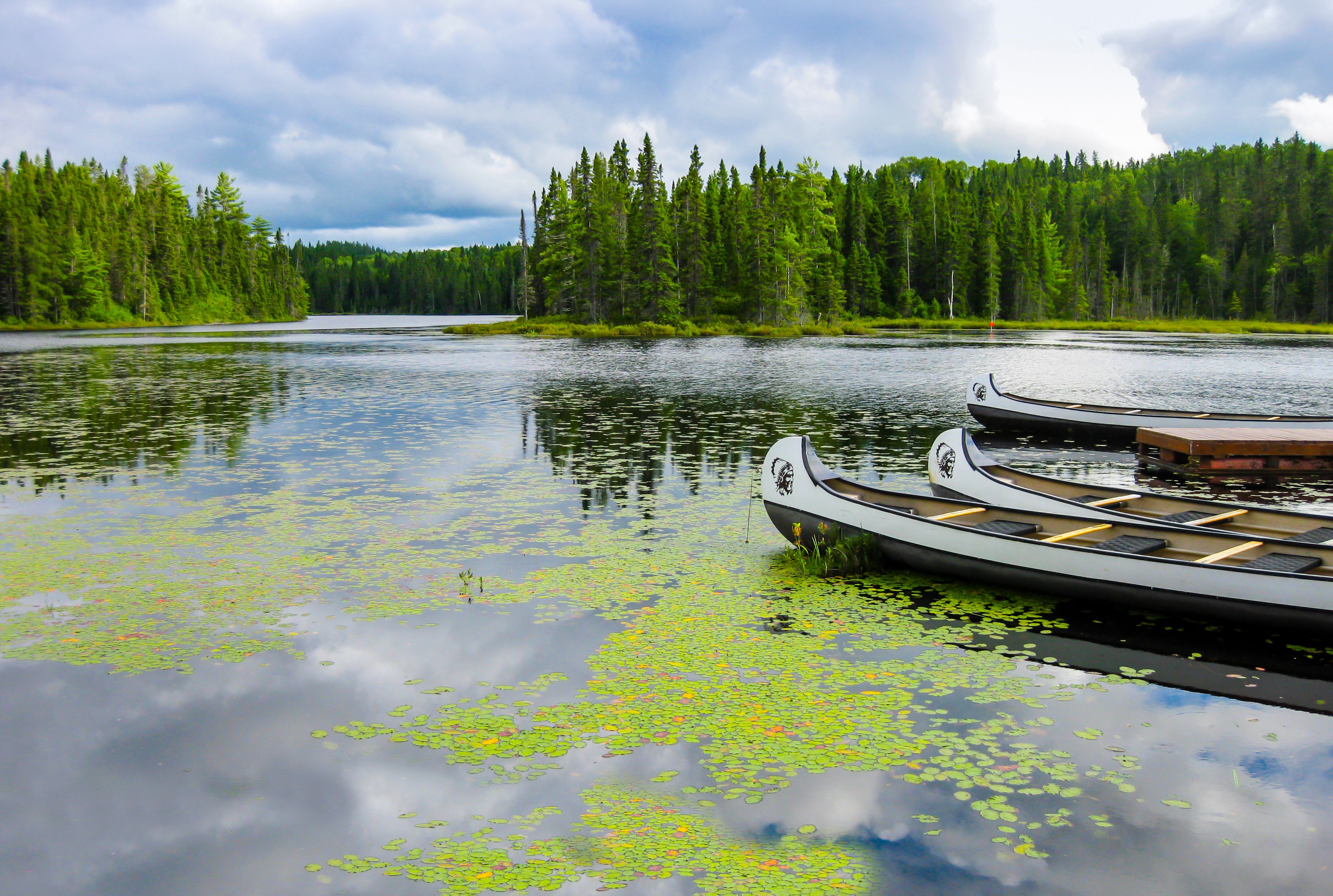
Addressing environmental consulting needs in Native American communities requires a deep understanding of their unique cultural, historical, and social contexts. Native American lands often contain rich natural resources and hold significant cultural and spiritual value. It is crucial to approach environmental projects with respect and sensitivity to these elements.
Engaging with Tribal Governments
Successful environmental consulting begins with engaging tribal governments. These governing bodies play a pivotal role in decision-making and project approval. Building strong, respectful relationships with tribal leaders and members is essential. Open communication and collaboration can ensure that projects align with the community’s priorities and values.
Consultants should familiarize themselves with the specific governance structures and legal frameworks that each tribe operates under. This knowledge helps in navigating the regulatory processes and securing the necessary permits.
Incorporating Traditional Ecological Knowledge
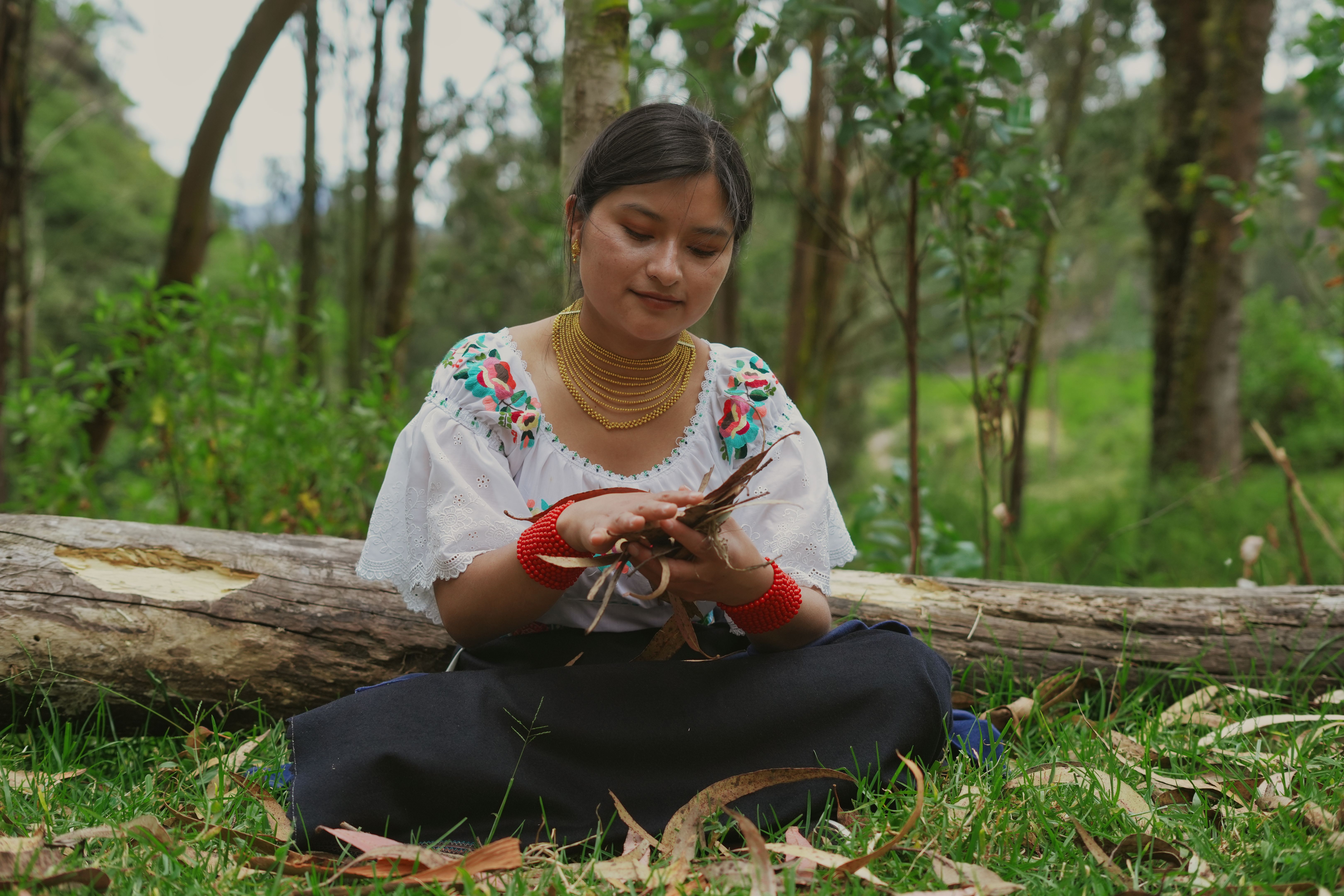
Traditional Ecological Knowledge (TEK) is a cornerstone of environmental management in Native American communities. TEK encompasses generations of wisdom regarding the use and stewardship of natural resources. By integrating TEK with scientific approaches, consultants can develop more effective and culturally appropriate solutions.
Building Capacity Through Education and Training
Investing in education and training is vital for empowering Native American communities to manage their environmental resources. Providing workshops and training sessions can build local capacity, ensuring community members are equipped to participate in and lead environmental projects.
Such initiatives can foster long-term sustainability and self-reliance, enabling communities to address environmental challenges independently in the future.
Leveraging Technology and Innovation
Utilizing modern technology can enhance environmental management efforts. Tools such as Geographic Information Systems (GIS) and remote sensing can provide valuable data for monitoring and decision-making. These technologies, when combined with community knowledge, can lead to more comprehensive and effective environmental strategies.

Securing Funding and Resources
Funding is often a significant barrier to implementing environmental projects in Native American communities. Consultants can assist by identifying potential funding sources, including federal grants, private foundations, and partnerships with non-profit organizations.
Creating detailed project proposals and demonstrating the potential impact and benefits can increase the likelihood of securing necessary funding.
Ensuring Cultural Sensitivity and Respect
Throughout the consulting process, it is imperative to maintain cultural sensitivity and respect. Recognizing the cultural significance of land and resources is crucial. Engaging community members in every phase of the project ensures that cultural values are upheld and respected.
By fostering mutual respect and understanding, consultants can build trust and create lasting, positive relationships with Native American communities.

Conclusion
Addressing environmental consulting needs in Native American communities requires a multifaceted approach that respects cultural heritage and incorporates local knowledge. Through collaboration, education, and the use of innovative technologies, consultants can support these communities in achieving sustainable environmental management.
By prioritizing cultural sensitivity and securing necessary resources, we can create meaningful and lasting positive impacts on the environment and the communities that depend on it.