Hamblen County Case Study: Supreme Court's Role in Tribal Land Use


Introduction to Tribal Land Use and the Supreme Court
The role of the Supreme Court in determining tribal land use rights is a subject of critical importance in the United States. As the nation grapples with the complexities of sovereignty, the legal system plays a pivotal role in shaping the landscape. This has been exemplified in cases like the Hamblen County decision, where the Supreme Court's ruling had far-reaching impacts on tribal land use.
Understanding these dynamics is essential for both legal scholars and the general public. By examining such cases, we gain insights into the balance of power and the intricate dance between federal, state, and tribal jurisdictions.

Background: The Hamblen County Case
The Hamblen County case arose from a dispute over land use rights between local authorities and a Native American tribe. The conflict centered on whether the tribe had the authority to utilize the land for purposes that were contrary to local zoning laws. This issue brought to light the broader question of tribal sovereignty and its limits.
The case reached the Supreme Court after years of legal battles in lower courts. The decision would prove to be a landmark in defining how tribal and non-tribal interests can coexist within the framework of U.S. law.
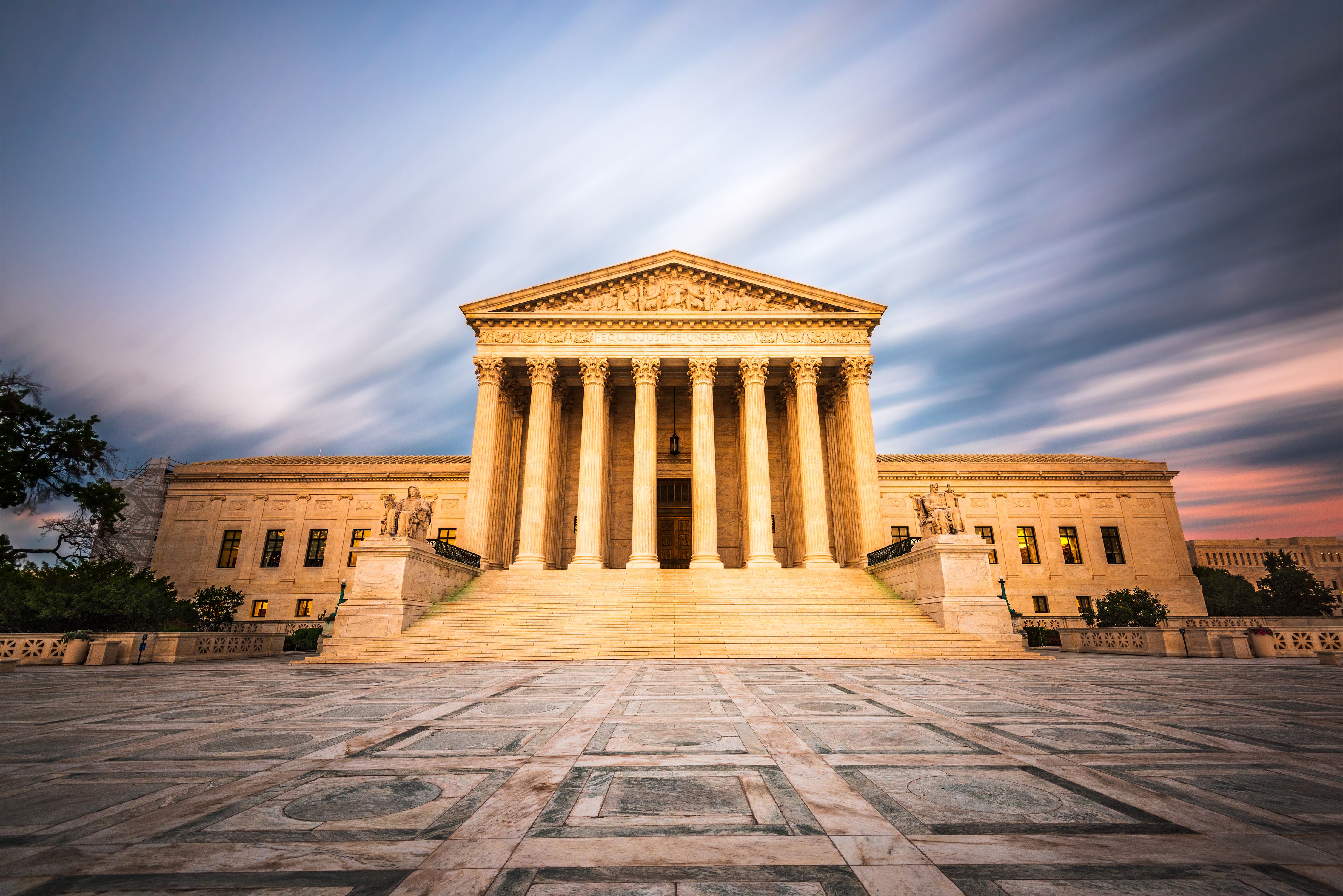
Supreme Court's Role and Decision
The Supreme Court's involvement in the Hamblen County case was critical. The justices were tasked with interpreting complex treaties and statutes that define the relationship between tribes and other governmental entities. Their decision underscored the importance of honoring historical agreements while also considering contemporary legal and social contexts.
The ruling ultimately favored the tribe, affirming their right to use the land in accordance with their cultural and economic needs. This decision was praised by many as a reaffirmation of tribal sovereignty, though it also sparked debates about the extent of tribal autonomy.
Implications for Tribal Land Use
The implications of the Supreme Court's decision in the Hamblen County case are profound. For tribes, it represents a significant victory in the ongoing struggle for self-determination and control over their lands. It sets a precedent that could influence future legal battles over similar issues.
For local and state governments, the ruling highlights the need for nuanced approaches to collaborating with tribal authorities. It underscores the importance of respecting tribal rights while balancing local interests.

Challenges and Opportunities
While the ruling provides clarity, it also presents challenges. One of the primary concerns is how to implement the decision in a way that respects all parties involved. This requires collaboration, open dialogue, and a willingness to adapt to changing legal landscapes.
Opportunities arise for tribes to leverage their land for economic development, cultural preservation, and community growth. The decision empowers tribes to explore various avenues for utilizing their lands in ways that align with their values and goals.
Conclusion: The Path Forward
The Supreme Court's role in tribal land use, as demonstrated in the Hamblen County case, is both influential and complex. As we move forward, it is essential to continue examining these cases to understand their broader implications for tribal sovereignty and land rights.
Through continued dialogue and cooperation, it is possible to foster a legal environment that respects tribal autonomy while promoting harmony among all stakeholders. The path forward requires vigilance, respect, and a commitment to justice for all parties involved.