Expert Insights: The Future of Native American Land Use and Environmental Policy


Understanding the Historical Context
The history of Native American land use is deeply intertwined with complex environmental policies and cultural practices. For centuries, Indigenous peoples have maintained a symbiotic relationship with the land, guided by traditions that prioritize sustainability and respect for natural resources. However, external pressures and historical policies have often disrupted these practices, leading to significant challenges.
In the past, treaties and agreements were frequently violated, resulting in the loss of ancestral lands and resources. These historical injustices continue to influence contemporary discussions on land use and environmental policy. Understanding this context is crucial for shaping future policies that honor Indigenous sovereignty and environmental stewardship.
Current Challenges in Land Management
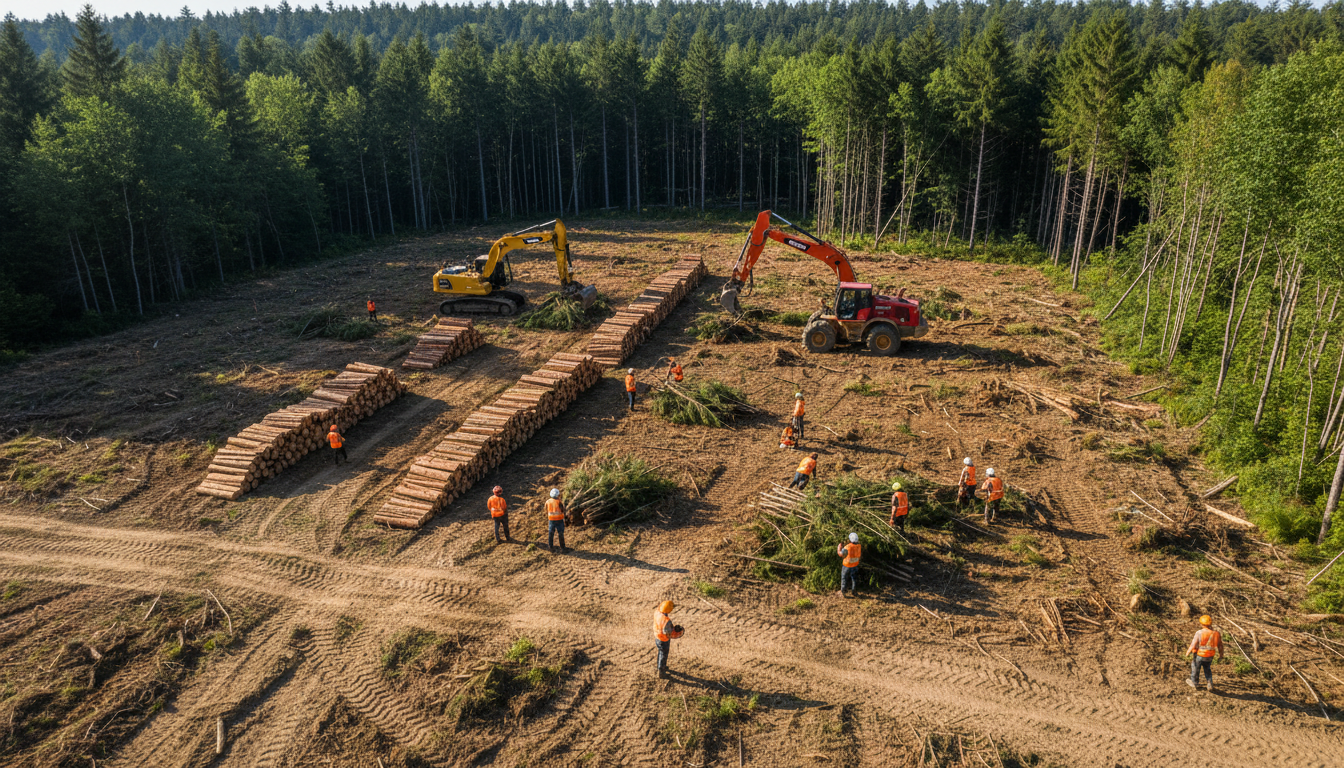
Today, Native American communities face numerous challenges in managing their lands. Issues such as climate change, resource extraction, and legal disputes over land rights complicate the landscape. Many Indigenous groups are actively working to reclaim and protect their territories, advocating for policies that reflect their traditional ecological knowledge.
One of the critical challenges is the balance between economic development and environmental conservation. While natural resource extraction can provide financial benefits, it often comes at the cost of environmental degradation. Indigenous leaders are increasingly calling for sustainable development practices that respect both economic needs and ecological integrity.
The Role of Technology and Innovation
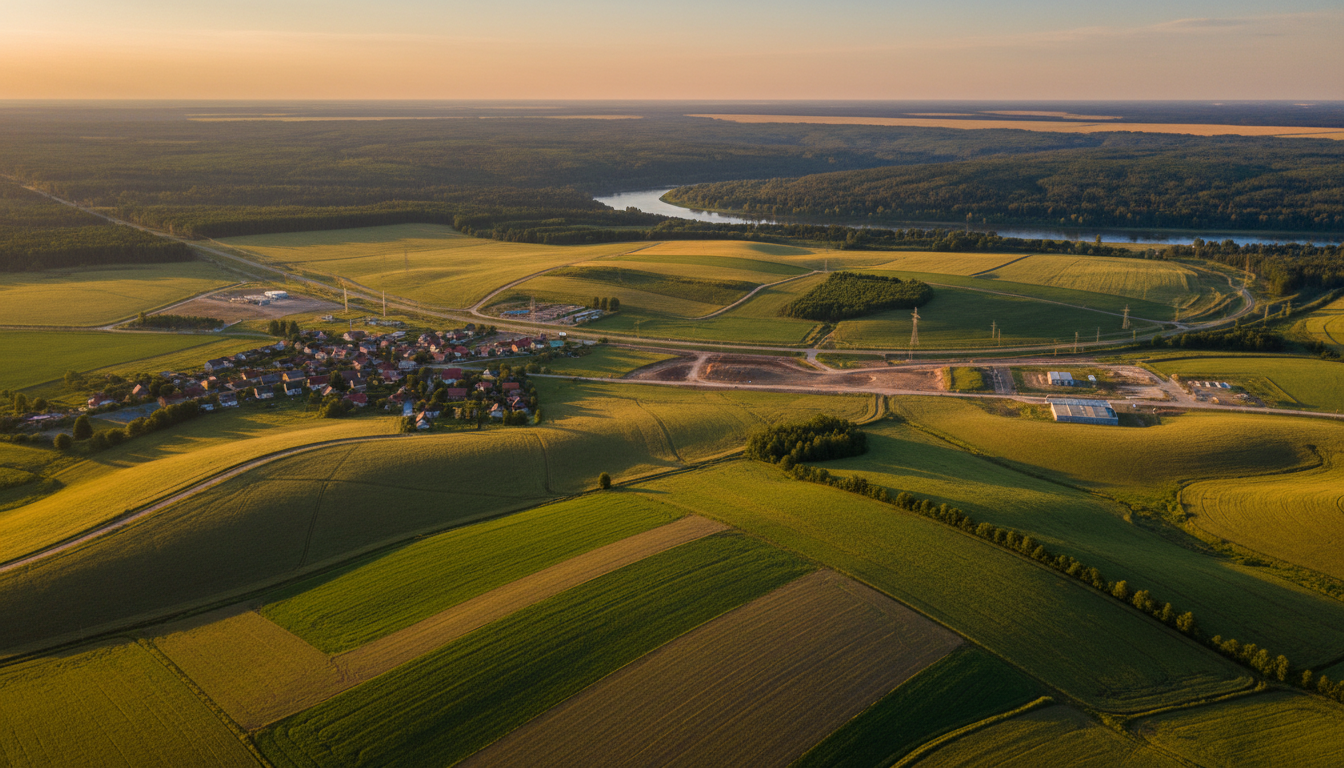
Technology plays a pivotal role in modern land management strategies. From satellite imagery to data analytics, these tools enable more effective monitoring and management of natural resources. Indigenous communities are leveraging technology to enhance traditional practices, ensuring that land use remains sustainable and resilient against environmental changes.
Innovative approaches, such as renewable energy projects and sustainable agriculture, provide promising pathways for economic development that aligns with environmental values. By integrating technology with traditional knowledge, Native American communities are paving the way for a more sustainable future.

Policy and Advocacy for the Future
The future of Native American land use and environmental policy relies heavily on advocacy and collaboration. Indigenous voices are increasingly being recognized in policy-making processes, leading to more inclusive and equitable outcomes. Collaborative efforts between tribal, federal, and state governments are essential for developing policies that support Indigenous rights and environmental protection.
Key policy areas include land restoration, water rights, and climate change adaptation. By prioritizing these areas, policymakers can help ensure that Native American communities have the resources and autonomy needed to manage their lands effectively.
The Importance of Education and Awareness
Raising awareness about the unique challenges and opportunities in Native American land use is crucial. Educational initiatives that highlight Indigenous perspectives and contributions to environmental stewardship can foster greater understanding and support for these communities.
- Incorporating Indigenous knowledge into educational curricula.
- Promoting cultural exchange programs.
- Supporting Indigenous-led research and policy initiatives.

Ultimately, the future of Native American land use and environmental policy depends on a commitment to justice, sustainability, and collaboration. By honoring the wisdom of Indigenous traditions and embracing innovative solutions, we can work towards a more inclusive and sustainable world.