Environmental Issues and Native American Land Use: Current Challenges


Introduction to Environmental Issues and Native American Land Use
The relationship between Native American communities and their lands is deeply rooted in history, culture, and tradition. These lands are not only a source of sustenance but also hold spiritual significance. However, modern environmental challenges pose significant threats to these sacred territories. Understanding the complexities of these issues is crucial for fostering sustainable solutions.
Historical Context of Native American Land Use
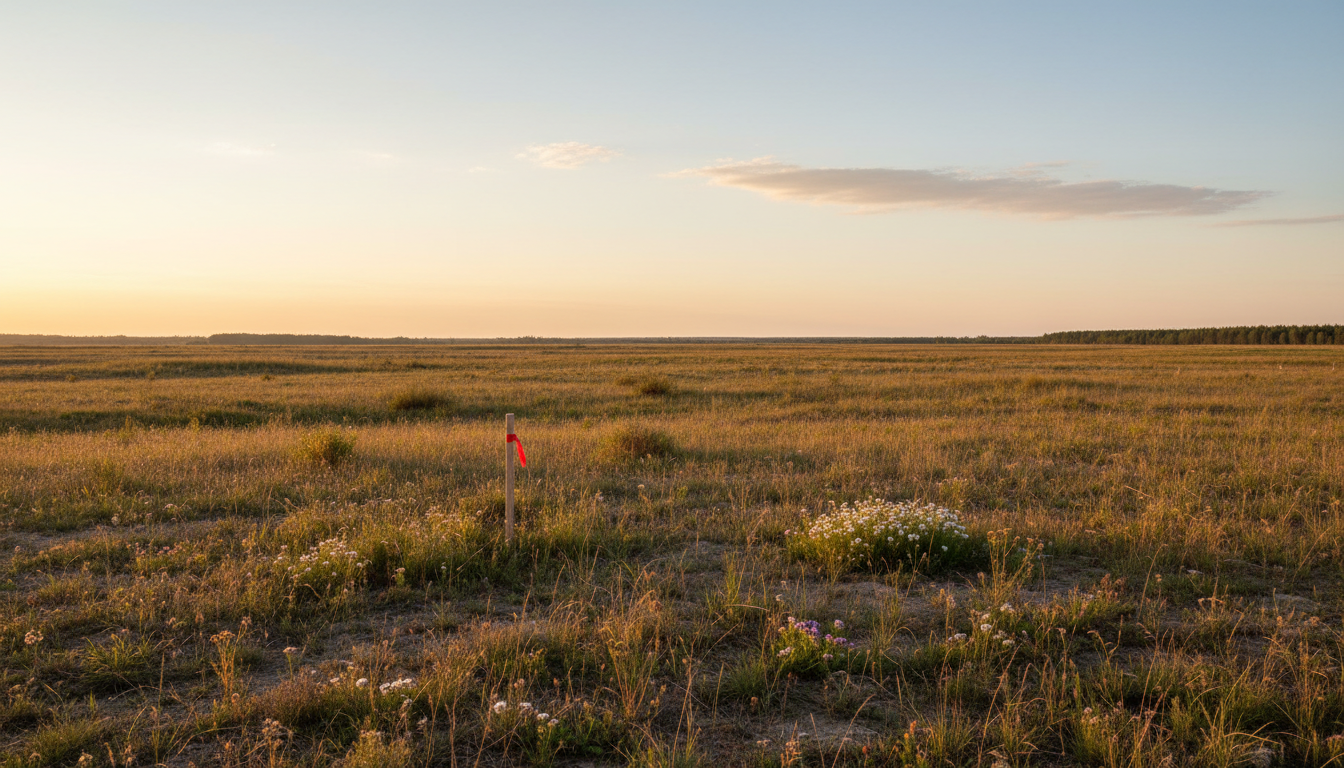
Historically, Native American tribes have utilized the land in harmony with nature, practicing sustainable agriculture, hunting, and gathering. This relationship is based on a profound respect for the Earth, ensuring that natural resources are used responsibly. However, colonization and subsequent policies have disrupted these practices, leading to significant environmental challenges.
The introduction of industrial practices and land seizures have led to deforestation, soil degradation, and loss of biodiversity on Native American lands. These changes have not only impacted the environment but also the cultural and spiritual practices of Native communities.
Current Environmental Challenges
Today, Native American lands face numerous environmental challenges that threaten their way of life. Among the most pressing issues are:
- Climate Change: Rising temperatures and changing weather patterns have disrupted traditional agricultural practices.
- Resource Extraction: Mining and drilling activities have led to pollution and habitat destruction.
- Water Scarcity: Access to clean water is increasingly limited, affecting both human and ecological health.

Legal and Political Barriers
Despite the environmental threats, Native American tribes often face legal and political hurdles in protecting their lands. Many treaties and agreements have been historically violated, leading to ongoing disputes over land rights and sovereignty. These issues complicate efforts to address environmental concerns effectively.
Additionally, legal frameworks often prioritize economic development over environmental preservation, making it challenging for tribes to advocate for sustainable land use practices.
Efforts Toward Sustainable Solutions
In response to these challenges, many Native American communities are leading efforts to restore and protect their lands. Initiatives include:
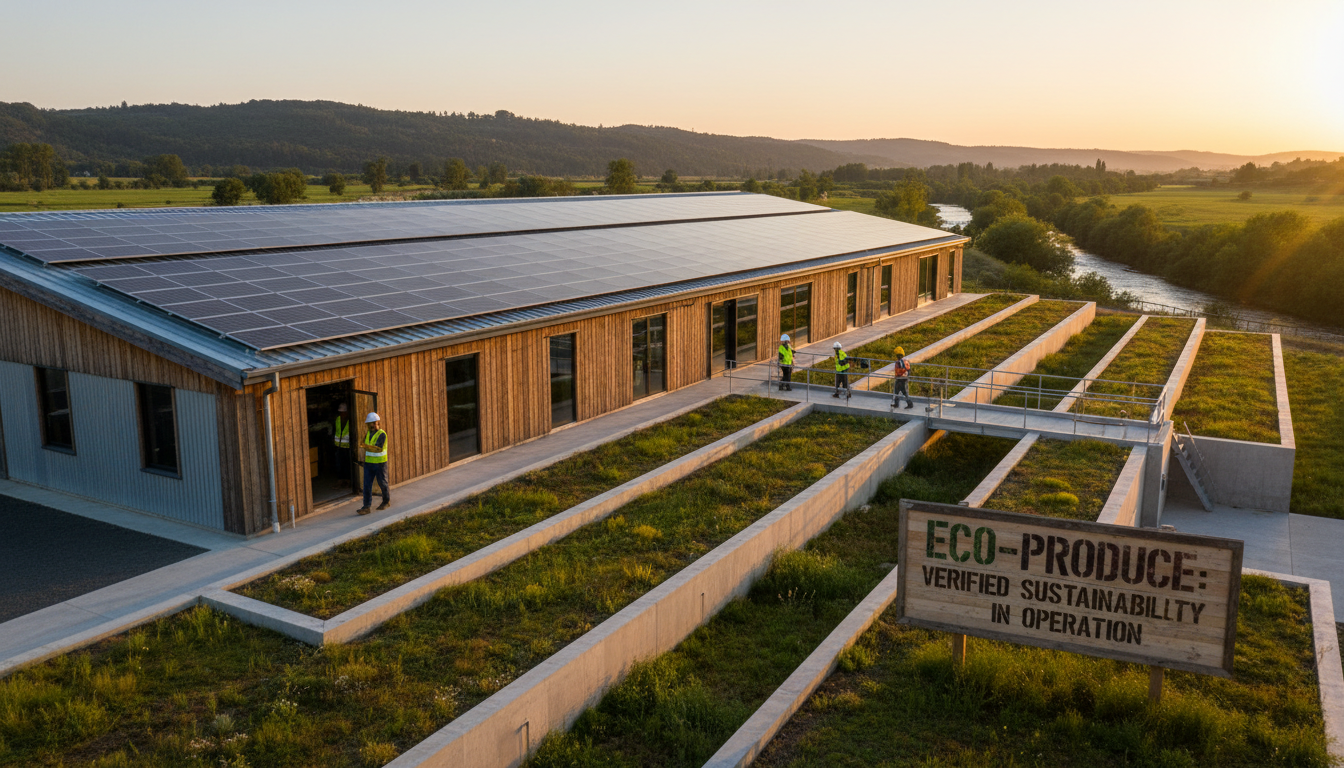
- Renewable Energy Projects: Tribes are investing in solar and wind energy to reduce dependency on fossil fuels.
- Land Restoration Programs: Efforts to reforest and rehabilitate degraded lands are underway.
- Advocacy and Education: Raising awareness about the importance of preserving Native lands and cultural heritage.
The Role of Collaboration and Support
Collaboration between Native American tribes, government agencies, and environmental organizations is essential for addressing these challenges. Support from external partners can provide resources and expertise needed to implement sustainable practices effectively.
By fostering partnerships, it is possible to create innovative solutions that respect both the environmental needs and the cultural values of Native American communities.
Conclusion: A Path Forward
The intersection of environmental issues and Native American land use presents complex challenges that require a multifaceted approach. By acknowledging historical injustices and prioritizing sustainable solutions, there is hope for a future where both the land and its people can thrive.
Ultimately, understanding and respecting the unique relationship between Native American tribes and their lands is crucial for creating meaningful change and ensuring environmental justice.