Environmental Challenges Facing Tribal Lands and How to Address Them


Tribal lands in the United States face unique environmental challenges that threaten their ecosystems, cultural heritage, and way of life. These challenges arise from a combination of historical policies, modern development pressures, and climate change. Addressing these issues requires a nuanced understanding and collaboration between tribal communities, governments, and environmental organizations.

Historical Context and Land Use
The history of land use and resource allocation on tribal lands has been shaped by treaties and federal policies that often disregarded indigenous rights. This has led to fragmented landscapes and limited control over natural resources. Many tribes are now striving to reclaim their land and manage it sustainably, but face obstacles due to past agreements and ongoing legal battles.
Efforts to address these challenges include legal advocacy to strengthen tribal sovereignty and initiatives to repurchase ancestral lands. Restoring these lands allows tribes to implement traditional ecological knowledge and sustainable practices that have been passed down through generations.
Environmental Degradation and Pollution
Industrial activities near tribal lands, such as mining and oil extraction, have led to significant environmental degradation. Pollution from these industries contaminates water sources and soil, affecting both human health and biodiversity. Tribes often lack the resources to mitigate these impacts, leaving communities vulnerable.
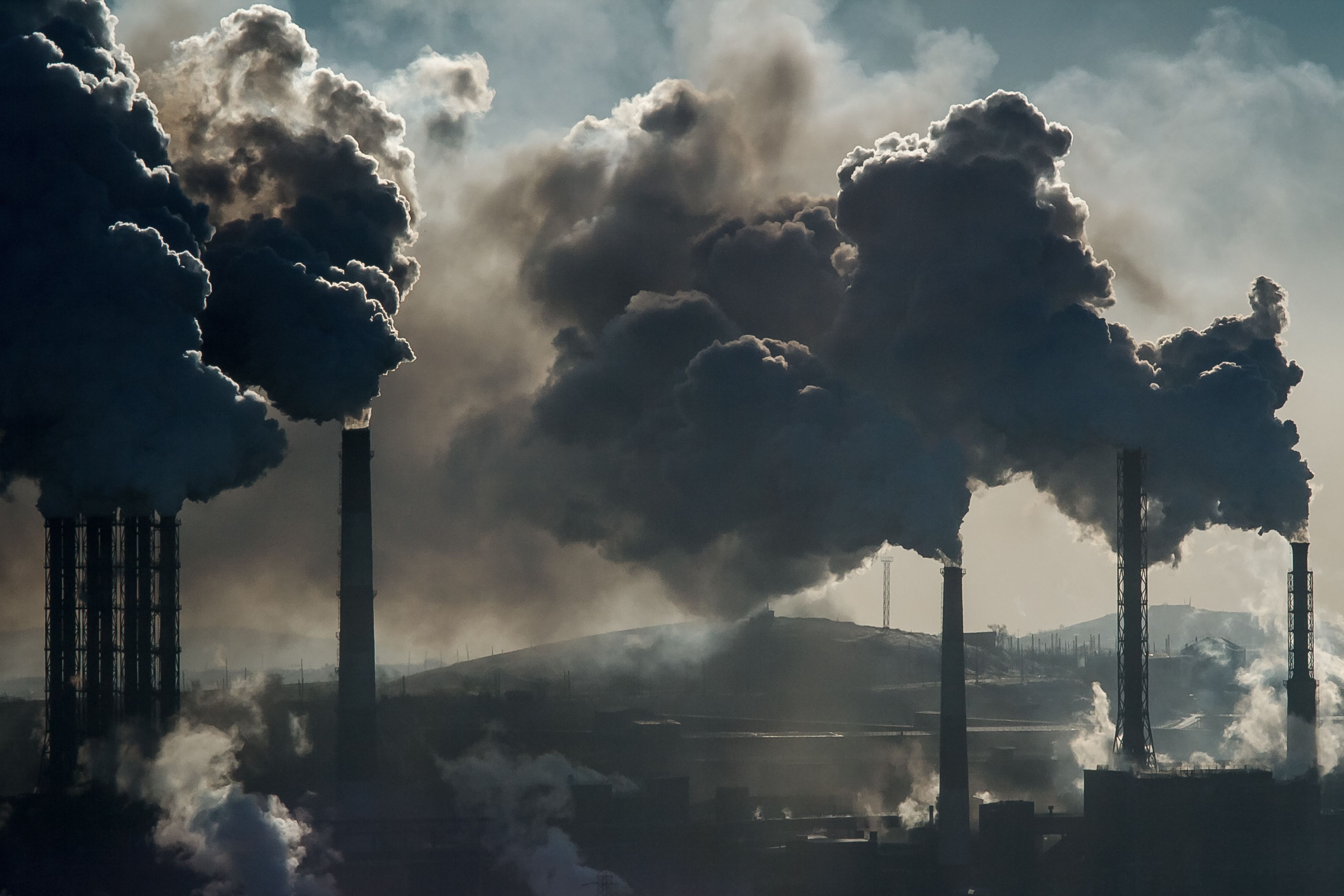
Addressing pollution requires stricter enforcement of environmental regulations and increased collaboration with tribal authorities. Empowering tribes with the tools to monitor and manage their environments can lead to more effective stewardship of their lands.
Climate Change Impacts
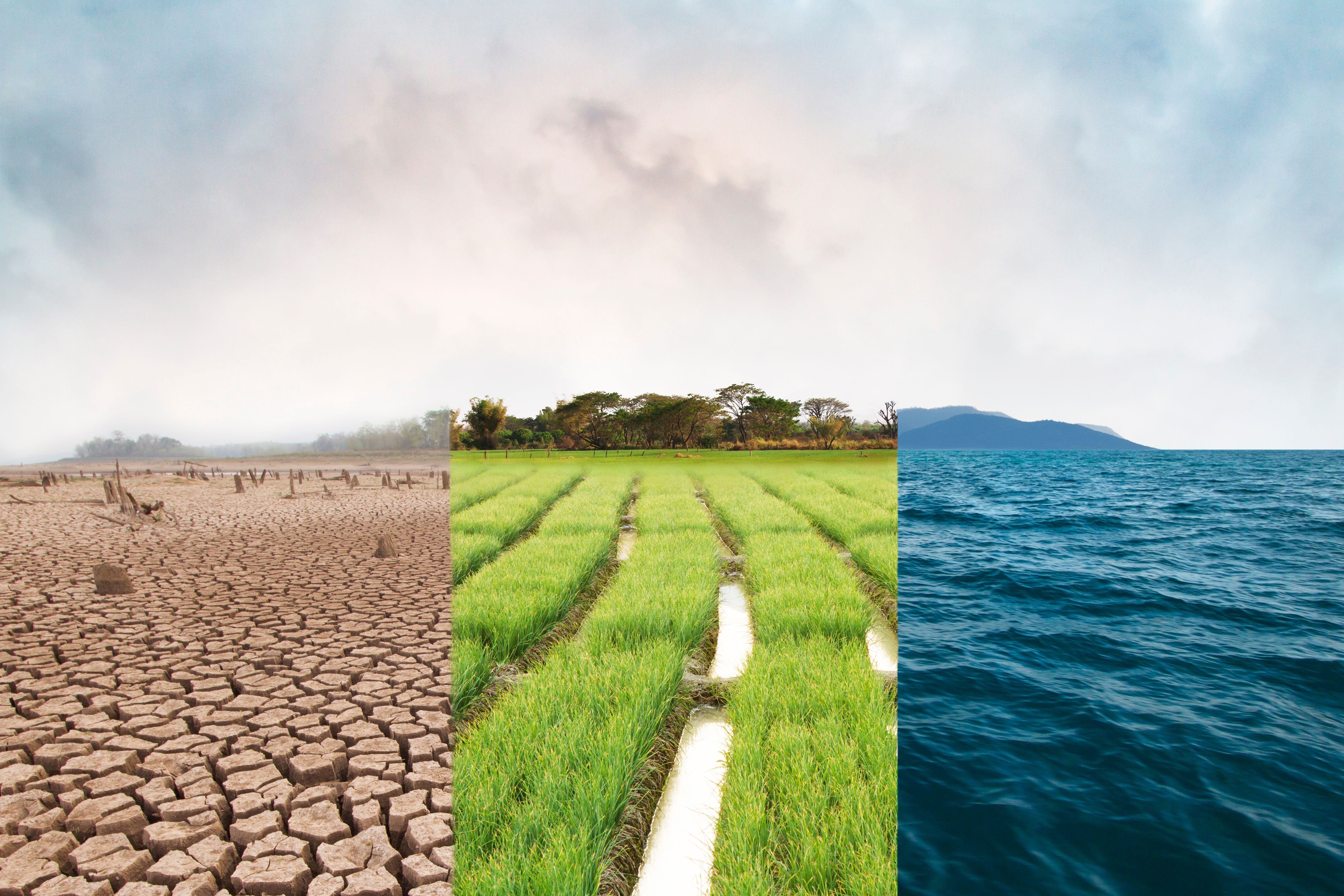
Climate change poses a significant threat to tribal lands, altering weather patterns, and impacting natural resources. Many tribes rely on fishing, hunting, and agriculture, all of which are sensitive to climate variations. Rising temperatures and changing precipitation patterns can lead to food scarcity and threaten cultural practices.
Adaptation strategies are crucial for building resilience. These may include developing drought-resistant crops, restoring wetlands to buffer against floods, and engaging in climate advocacy to influence policy changes at higher levels.
Collaborative Solutions and Future Directions
Collaborative efforts between tribal nations, government agencies, and environmental organizations are vital for addressing these challenges. Programs that support tribal-led conservation initiatives and provide funding for sustainable development projects can create lasting positive impacts.
Education and capacity-building are also key components. Providing training and resources to tribal members enhances their ability to manage their land sustainably and advocate for their rights effectively.
Conclusion
The environmental challenges facing tribal lands are complex and multifaceted, requiring a holistic approach to address them effectively. By respecting tribal sovereignty and integrating traditional knowledge with modern science, we can forge a path towards a more sustainable and equitable future for tribal communities.
Through collaboration and commitment, it is possible to not only protect the environment but also honor and preserve the rich cultural heritage that tribal lands represent.