Case Study: Successfully Arguing Travel Rights in the Supreme Court


Introduction to the Case
The right to travel is a fundamental freedom that many take for granted. However, when these rights are challenged, it often leads to significant legal battles. One such case reached the Supreme Court, where individuals successfully argued for their travel rights, setting a precedent for future cases.

The Background
In this particular case, the plaintiffs were restricted from traveling due to certain governmental regulations aimed at national security. These restrictions raised questions about the balance between individual freedoms and national safety. The plaintiffs argued that their right to travel was unjustly hindered, which prompted a legal battle that caught national attention.
The case initially faced several hurdles in lower courts, with mixed rulings that highlighted the complexity of the issue. Eventually, the case was escalated to the Supreme Court, where a definitive ruling was sought.
Legal Arguments
The legal team representing the plaintiffs built their case on several key arguments:
- Constitutional Rights: They emphasized that the right to travel is implicitly protected under the constitution.
- Precedent Cases: Citing previous cases where travel restrictions were deemed unconstitutional.
- National Security vs. Personal Freedom: Arguing that the restrictions were excessive and not directly linked to any immediate threats.
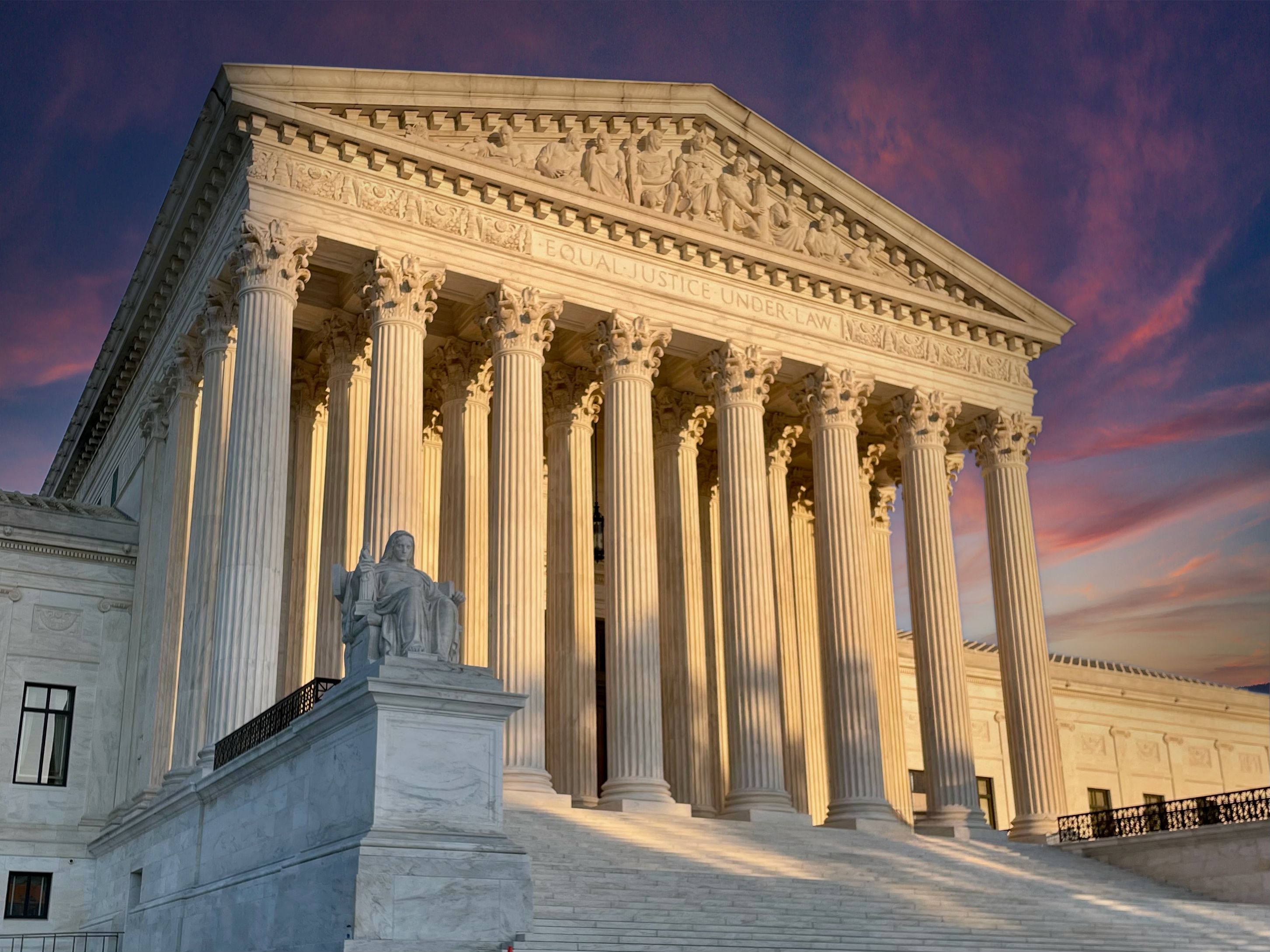
The Supreme Court Ruling
After extensive deliberation, the Supreme Court ruled in favor of the plaintiffs. The decision was a landmark, reaffirming the importance of personal freedoms while acknowledging the need for national security. The ruling set a precedent that would influence similar cases in the future.
The court's decision was based on the argument that the restrictions imposed were not narrowly tailored to achieve the intended security objectives and unnecessarily infringed on personal liberties.
Implications of the Ruling
This Supreme Court decision has far-reaching implications. It not only reinforces the right to travel but also establishes a framework for evaluating future cases where individual rights are weighed against governmental regulations.
- Policy Changes: Governments may need to revise regulations to align with the court's decision.
- Legal Precedents: Future cases will likely reference this decision, potentially shaping the landscape of travel rights law.

Conclusion
The successful argument for travel rights in the Supreme Court is a victory for individual freedoms. It highlights the ongoing need to balance personal liberties with security measures, ensuring that neither is sacrificed unnecessarily. As future cases emerge, this ruling will serve as a guiding light, reminding us of the importance of protecting our fundamental rights.