Case Study: Successful Supreme Court Arguments on Tribal Travel Rights


Introduction to Tribal Travel Rights
Tribal travel rights have long been a critical issue in the United States, intertwining with broader themes of sovereignty, cultural preservation, and legal recognition. Recent Supreme Court cases have shed light on these rights, providing valuable insights into the legal framework governing them.

The Historical Context
The rights of Native American tribes to travel freely across their traditional lands have been acknowledged to varying degrees throughout history. These rights are often rooted in treaties, some of which date back to the 18th and 19th centuries. Understanding the historical underpinnings is essential for comprehending the modern legal landscape.
Many treaties explicitly recognize the right of tribes to cross borders, hunt, fish, and gather on ancestral lands. However, these rights have frequently been challenged, necessitating legal intervention to uphold them.
Key Supreme Court Cases
Several Supreme Court cases have been pivotal in shaping tribal travel rights. Among these, Washington State Department of Licensing v. Cougar Den Inc. stands out for its significant impact. In this case, the Court ruled in favor of the tribe, affirming their right to transport goods without state-imposed taxes that would infringe on tribal sovereignty.
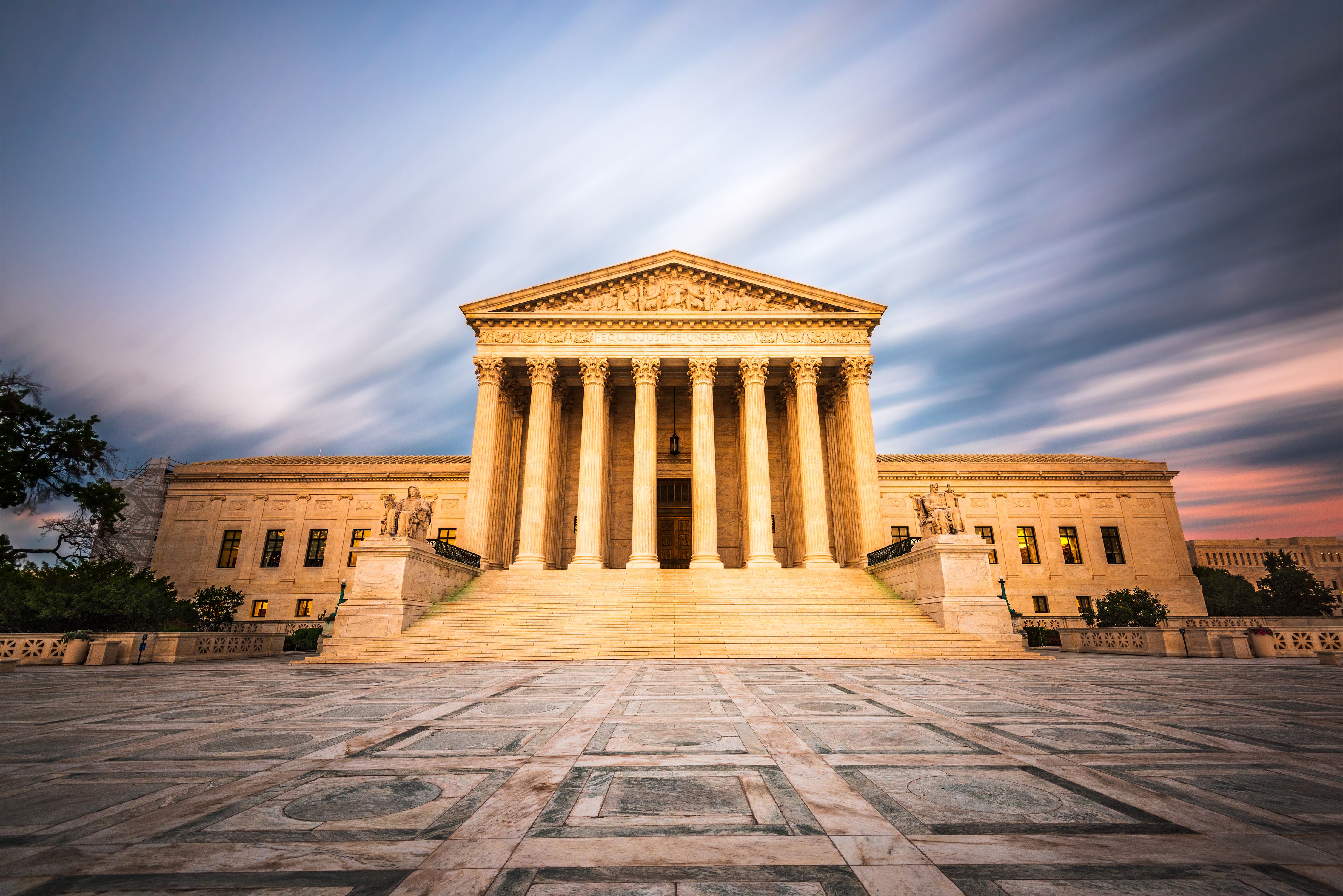
Another notable case is Herrera v. Wyoming, where the Court upheld a treaty right allowing tribal members to hunt on unoccupied lands, even after statehood. These decisions underscore the Court's role in interpreting treaties and protecting tribal rights.
Implications of Supreme Court Rulings
The rulings have profound implications for both tribal sovereignty and state-tribal relations. By affirming these rights, the Supreme Court reinforces the legal standing of treaties as the "supreme law of the land," as stipulated by the Constitution.
These decisions also highlight the necessity for states to recognize and accommodate tribal rights within their jurisdictions. This can lead to more collaborative and respectful relationships between states and tribes.
The Path Forward
Looking ahead, the continued acknowledgment and protection of tribal travel rights will depend on ongoing legal advocacy and awareness. It is crucial for tribes, legal practitioners, and policymakers to remain vigilant and proactive in preserving these rights.

Future cases may further define the scope of these rights, but the current trajectory suggests a growing recognition of tribal sovereignty and the importance of honoring historical treaties.
Conclusion
The Supreme Court's recent rulings on tribal travel rights mark a significant step forward in recognizing and protecting the sovereignty of Native American tribes. As these cases demonstrate, ongoing legal support and advocacy are essential to uphold these fundamental rights.
By understanding and respecting these rulings, we can contribute to a more equitable and just relationship between tribal nations and the broader legal system.