Case Study: Successful Supreme Court Arguments on Native American Travel Rights


Introduction to Native American Travel Rights
Native American travel rights have been a significant subject of legal discourse in the United States. Ensuring these rights is crucial for maintaining the sovereignty and freedom of Native American tribes. Recent Supreme Court cases have set important precedents in this area, providing clarity and support for tribal autonomy.
These cases have highlighted the intricate balance between federal authority and tribal sovereignty, showcasing how legal interpretations can impact the daily lives of Native American communities.

Key Supreme Court Cases
Background and Legal Context
Several landmark cases have shaped the legal landscape for Native American travel rights. These cases often involve interpretations of treaties and the extent of tribal sovereignty under U.S. law. Understanding these decisions is essential for comprehending the broader implications for Native American autonomy.
The Supreme Court's role is to interpret these complex legal issues, ensuring that tribal rights are respected and upheld in accordance with historical treaties and modern legal standards.
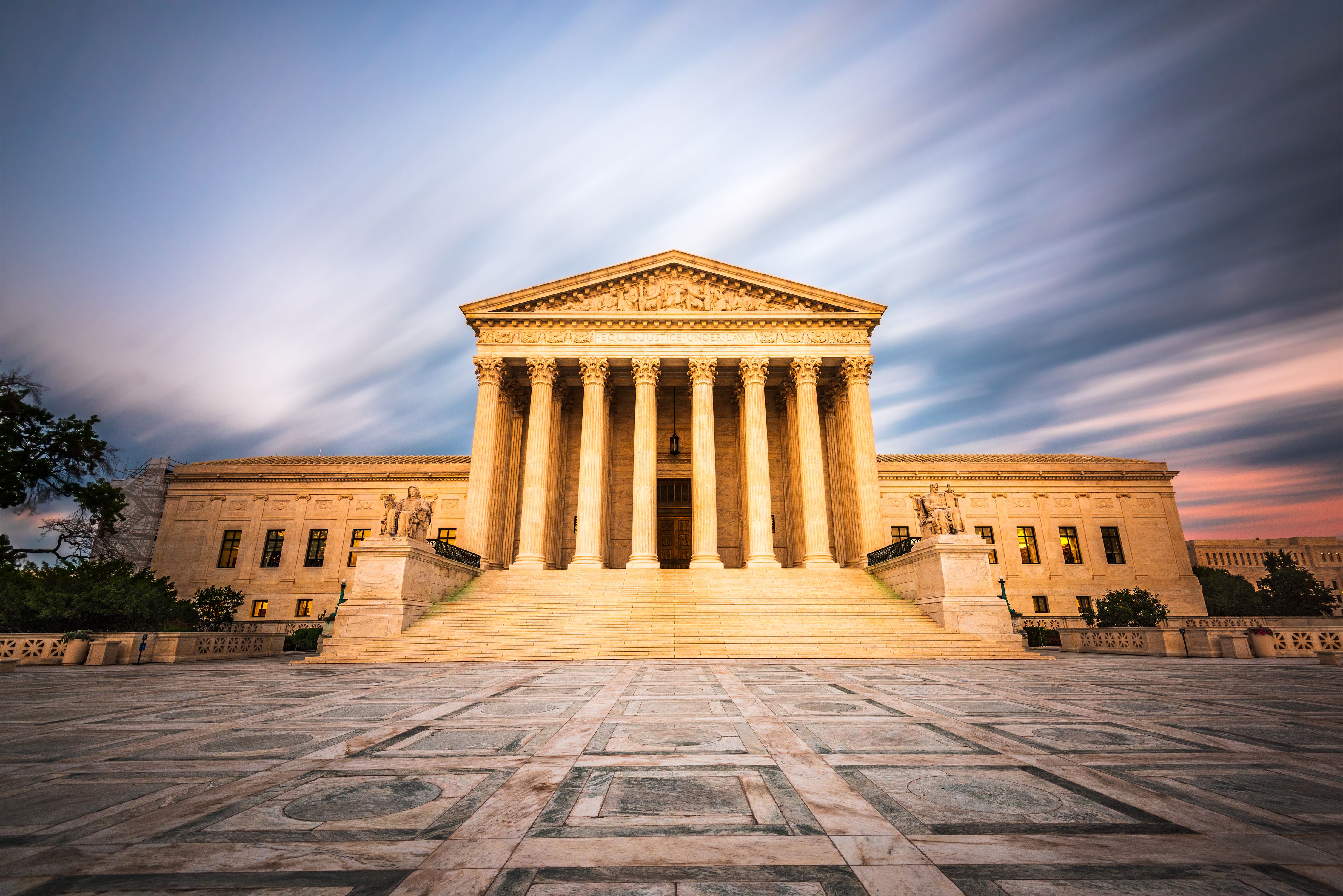
Case Study: McGirt v. Oklahoma
One of the most impactful cases in recent years is McGirt v. Oklahoma. This 2020 decision affirmed the reservation status of a significant portion of eastern Oklahoma, recognizing the legal boundaries established in treaties with the Creek Nation.
This case was pivotal in reaffirming the sovereignty of Native American lands, influencing travel rights by establishing clear jurisdictional boundaries and reinforcing tribal authority over their territories.
Implications for Tribal Sovereignty
Increased Autonomy
The ruling in McGirt v. Oklahoma and similar cases have provided tribes with increased autonomy, allowing them to govern their lands with greater independence. This autonomy extends to regulating travel and movement within their territories, ensuring that tribal laws and customs are respected.

Challenges and Opportunities
While these decisions have strengthened tribal sovereignty, they also present challenges. Tribes must navigate the complexities of enforcing their laws while coordinating with federal and state authorities. However, these challenges also present opportunities for collaboration and mutual understanding.
The successful arguments in these cases have set a precedent, encouraging other tribes to pursue legal recognition of their rights and territories.
Conclusion
The recent Supreme Court arguments on Native American travel rights underscore the ongoing journey towards justice and equality for Native American tribes. These cases not only reinforce the significance of treaties but also pave the way for future legal successes.
As more tribes engage with the legal system to assert their rights, these landmark decisions will continue to serve as a foundation for enhancing tribal sovereignty and ensuring the protection of Native American travel rights.