Case Study: Successful Supreme Court Arguments for Native American Travel Rights


Introduction to Native American Travel Rights
The journey towards securing travel rights for Native Americans has been a long and arduous one. Historically, Native American tribes have faced numerous legal challenges when it comes to maintaining their freedom of movement across traditional lands. This post examines landmark Supreme Court cases that have played a pivotal role in affirming these rights.

Key Supreme Court Cases
Case Study: McGirt v. Oklahoma
One of the most significant cases in recent history is McGirt v. Oklahoma. This 2020 decision re-affirmed the boundaries of the Muscogee (Creek) Nation, recognizing that a large portion of eastern Oklahoma remains a Native American reservation. This ruling has substantial implications for jurisdictional authority and travel rights, ensuring that Native Americans have greater autonomy over their lands.
The decision was grounded on historical treaties that were previously overlooked, highlighting the importance of honoring past agreements. This case set a precedent for how treaties should be interpreted in modern contexts.
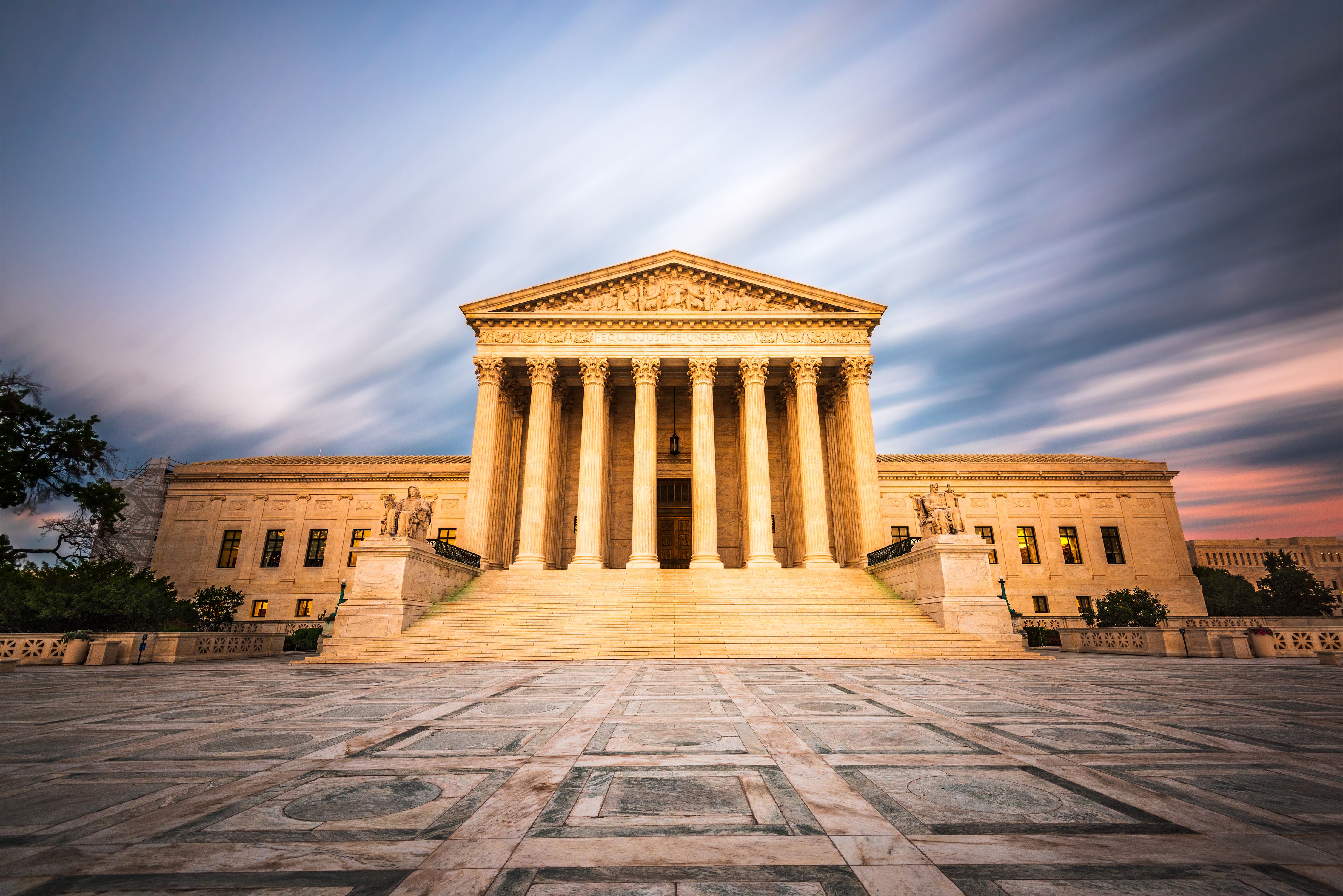
Case Study: Herrera v. Wyoming
Another pivotal case is Herrera v. Wyoming, decided in 2019. This case revolved around a Crow Tribe member who was charged with hunting without a license in the Bighorn National Forest. The Supreme Court ruled in favor of the tribe, stating that the treaty rights had not expired when Wyoming became a state.
This decision reinforced the notion that treaty rights persist over time, granting Native American tribes the right to traverse and utilize their traditional hunting grounds.

Impact of These Decisions
The outcomes of these cases have had a profound effect on Native American communities. They not only reaffirm traditional rights but also empower tribes to manage their affairs with greater sovereignty. Importantly, these decisions have set a legal framework for future cases concerning Native American rights.
Furthermore, these rulings have encouraged a broader discussion about the need for reconciliation and respect for historical treaties, fostering a more inclusive approach to legal interpretations and policy-making.
Future Implications
As these cases demonstrate, the fight for Native American travel rights is far from over. The precedents set by the Supreme Court offer hope for further advancements in securing comprehensive rights for all Native American tribes across the United States.
Moving forward, it is crucial for both legal entities and policymakers to continue honoring and upholding the treaties that form the foundation of Native American rights, ensuring justice and equality for all.

Conclusion
These landmark Supreme Court cases have not only upheld the travel rights of Native Americans but have also paved the way for ongoing legal and social progress. By respecting and enforcing treaty rights, the United States moves closer to achieving equity and justice for Native American communities.
The journey continues, and the strength and resilience of Native American tribes remain a powerful testament to their enduring fight for rights and recognition.