Case Study: Successful Arguments in Supreme Court on Tribal Travel Rights


Introduction to Tribal Travel Rights
In recent years, the issue of tribal travel rights has gained significant attention in the Supreme Court. These rights, rooted in historical treaties and agreements, ensure that Native American tribes maintain their freedom to move across certain lands. Successful arguments in the Supreme Court have reinforced these rights, highlighting their importance in preserving tribal sovereignty and cultural heritage.

Historical Context
The legal foundation for tribal travel rights is deeply embedded in treaties signed between tribes and the federal government. These treaties, often dating back to the 18th and 19th centuries, recognized the inherent rights of tribes to travel freely across their ancestral lands. However, over time, these rights faced challenges as state and federal governments imposed restrictions.
Understanding the historical context is crucial for appreciating the legal victories achieved in recent court cases. Tribes have consistently argued that these rights are not only legally binding but also vital for maintaining their cultural traditions and economic livelihood.
Key Cases in the Supreme Court
Several landmark cases have been pivotal in upholding tribal travel rights. These cases often revolve around disputes where state regulations conflict with treaty provisions. Successful outcomes in the Supreme Court have set significant precedents, reinforcing the legal standing of tribal travel rights.
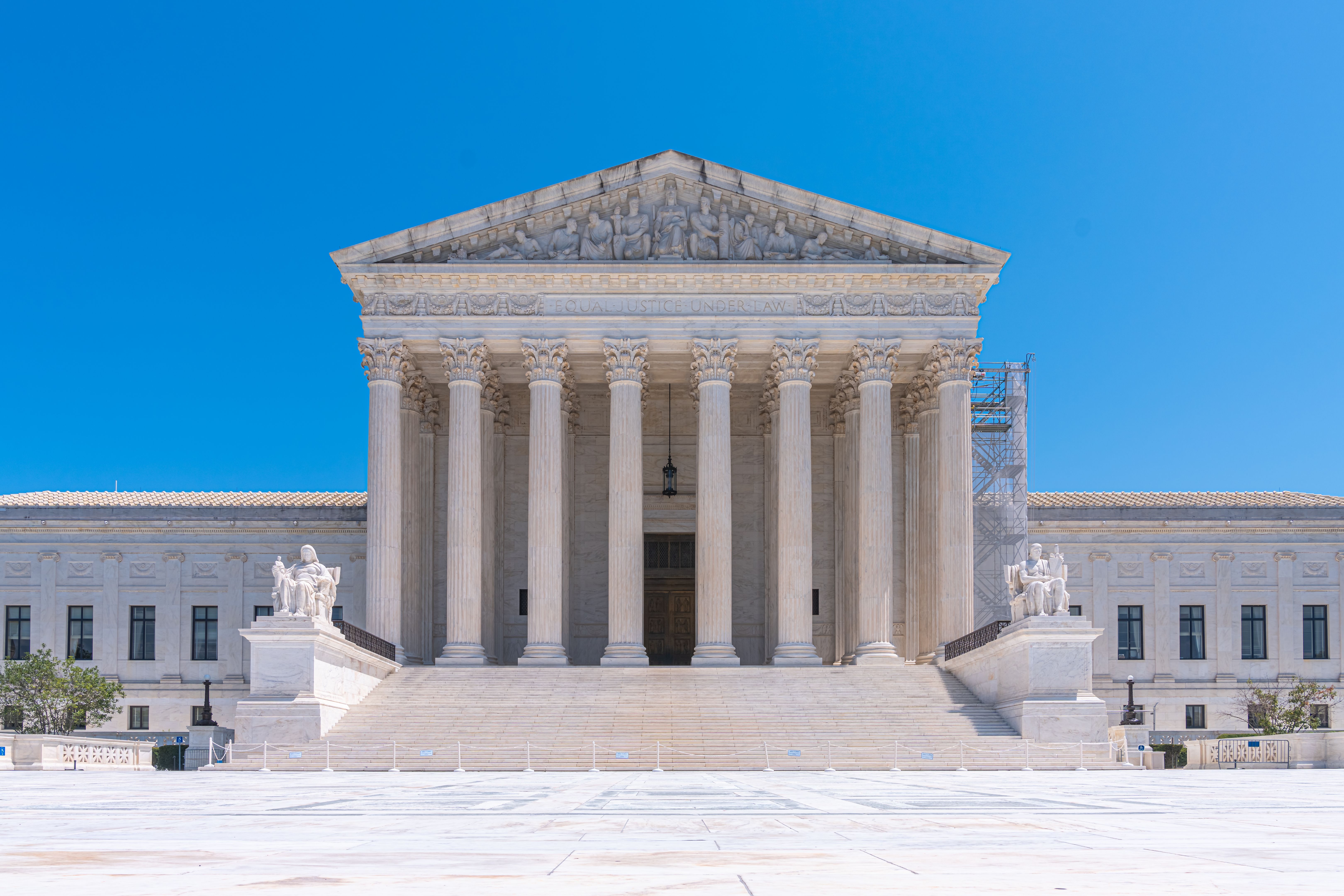
- Case A: This case addressed the right of a tribe to access traditional hunting grounds. The Supreme Court ruled in favor of the tribe, emphasizing the inviolability of treaty agreements.
- Case B: Focused on a tribe's right to traverse state borders without additional taxation. The Court affirmed that states could not impose such restrictions.
Arguments That Led to Success
Successful arguments in the Supreme Court often hinge on a few critical factors. Firstly, the historical treaties serve as powerful legal documents that underscore the rights of tribes. Additionally, expert testimonies that highlight the cultural and economic importance of these rights play a significant role.
Lawyers representing tribes have effectively demonstrated how state-imposed restrictions violate the original spirit and letter of these treaties. By doing so, they have not only protected travel rights but also strengthened the broader framework of tribal sovereignty.

Impact on Tribal Communities
The Supreme Court's favorable rulings have had profound impacts on tribal communities. These victories ensure that tribes can continue their traditional practices, such as hunting and gathering, which are integral to their cultural identity and survival.
Moreover, these legal successes empower tribes economically, allowing for the free movement of goods and services across their lands. This freedom is essential for sustaining and developing tribal economies in a way that aligns with their values and traditions.
Conclusion: A Path Forward
The successful arguments in the Supreme Court surrounding tribal travel rights mark a significant step forward in the recognition and protection of indigenous sovereignty. By upholding these rights, the Court not only honors historical treaties but also supports the ongoing cultural and economic vitality of Native American tribes.
As more cases emerge, it remains crucial for tribes to continue advocating for their rights, ensuring that the legal victories achieved so far are preserved and built upon for future generations.